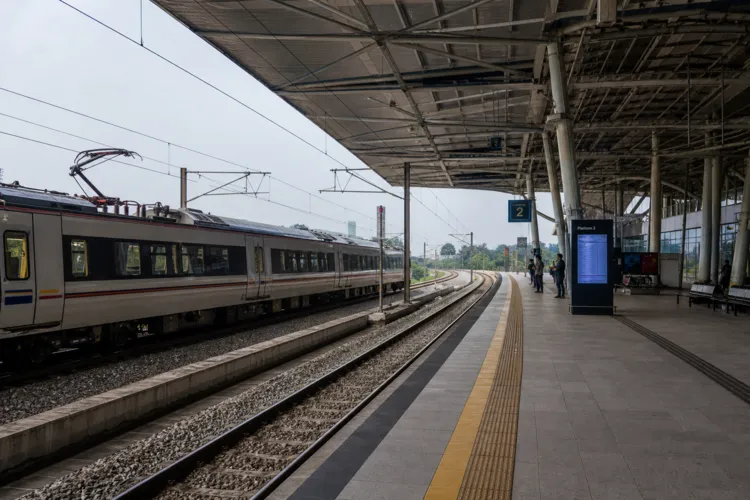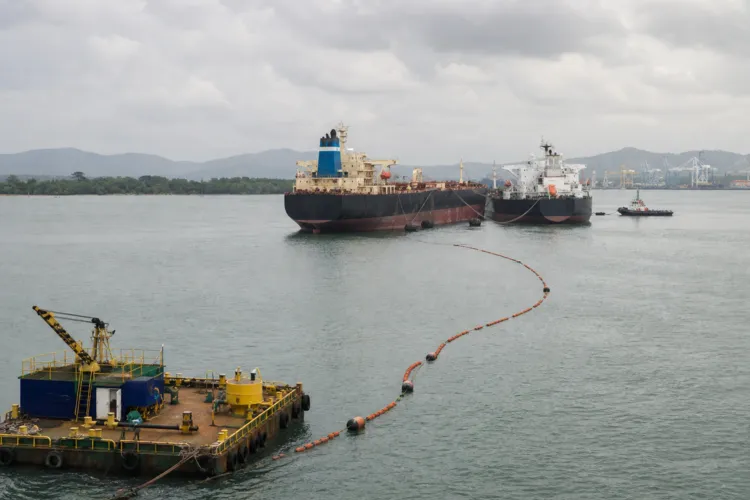
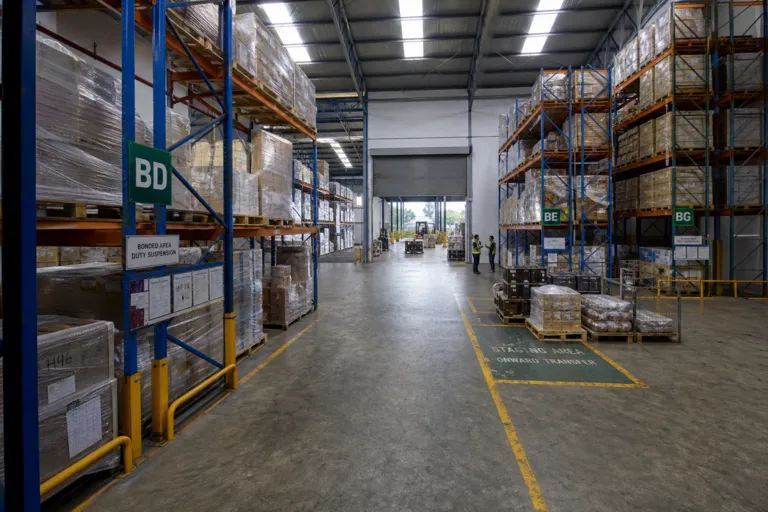
Free zones and bonded warehousing sit at the heart of Malaysia free zone logistics for re-export and transhipment trade. Under the Free Zones Act 1990, a gazetted free zone is treated as being outside the Principal Customs Area for duty purposes. This structure allows goods to be imported, stored, and re-exported with customs duty and sales tax suspended or exempted, and it can also cover excise duty in a Free Industrial Zone. The same ecosystem also includes Licensed Manufacturing Warehouse (LMW) and bonded warehouse regimes under the Customs Act 1967, giving companies multiple ways to keep goods duty-suspended while they stage inventory and move it across borders.
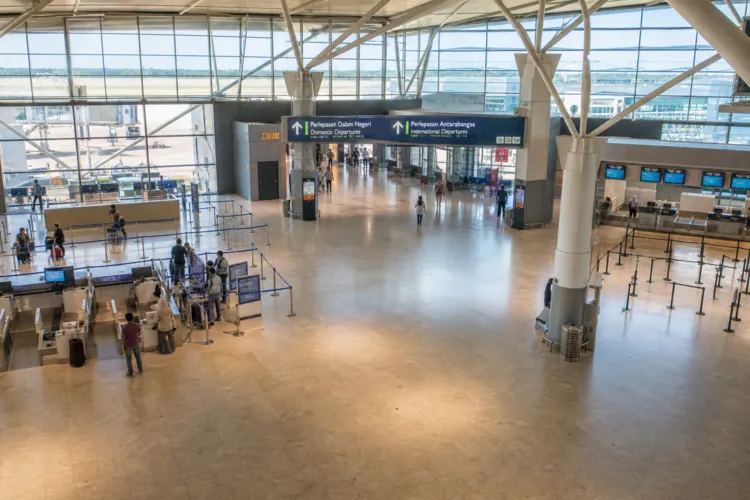
Malaysia’s edge becomes clearer when you look at gateway scale and adjacent zone capacity. Port Klang handled over 14.2 million TEUs in 2024, and its adjacent free-trade zone accommodates 340 licensed forwarding agents, supporting dense forwarding and consolidation activity around the port. Air cargo adds another layer. KLIA’s air cargo terminal processed 780,000 tonnes in the same period, reinforcing a port-and-airport pairing that suits both containerised transhipment and time-sensitive shipments. In practice, this mix supports break-bulk, repacking, labelling, transit, and regional distribution activities that are commonly associated with Free Commercial Zones.
Choosing the Right Regime: FCZ, FIZ, LMW, or Bonded Warehouse
Malaysia’s duty-relief toolkit is overlapping by design. Sources describe four regimes: Free Industrial Zone (FIZ) and Free Commercial Zone (FCZ) under the Free Zones Act 1990, plus LMW and bonded warehouse under the Customs Act 1967. For export-oriented manufacturing, FIZ and LMW deliver essentially identical duty and sales-tax relief; the practical difference is location. A FIZ sits inside a gazetted zone, while an LMW can be almost anywhere Customs approves. Qualifying generally requires exporting at least 80% of output, with a lower share such as around 60% possibly allowed at MITI’s discretion, and the LMW annual licence fee is RM2,400 (as of 2026).
For re-export and transhipment, FCZs and bonded warehouses often become the operating core. An FCZ is built for trading, transit, transhipment, bulk-breaking, repackaging, and distribution, while a bonded warehouse is positioned as a solution for pure duty-suspended storage. Northern Malaysia offers a concrete example. Penang Institute notes that the North Butterworth Container Terminal (NBCT), gazetted as a Free Commercial Zone, offers custom-free status for imports, exports, transhipment, and value-added activities. In 2025, NBCT’s containerised cargo throughput contributed RM107bn, or 3.5%, of Malaysia’s total trade value, and the same report links streamlined customs via bonded warehousing with tax-efficient re-export logistics.
Different ports also pair different incentives with operational priorities. A market report contrasts bonded warehouse incentives at Port Klang and Tanjung Pelepas: Port Klang offers a 10-year tax holiday for licensed manufacturing warehouses, while Tanjung Pelepas provides duty deferral under its free-zone status with fewer activity restrictions. These contrasts matter when deciding whether your operation is value-added processing-led or focused on pure transhipment. Policy-linked developments add to the pipeline. The Johor–Singapore Special Economic Zone, formalized in January 2025, is expected to generate over 100,000 new jobs and draw MYR 60 Billion in incremental investment across logistics parks, bonded warehouses, and intermodal terminals.
What is a free zone in Malaysia for duty purposes?
How do FCZ and FIZ differ in permitted activities?
What are key gateway figures supporting Malaysia’s re-export and transhipment flows?
How does Malaysia free zone logistics compare across Port Klang and Tanjung Pelepas for bonded warehouse incentives?
What role does Penang’s NBCT play as a Free Commercial Zone?