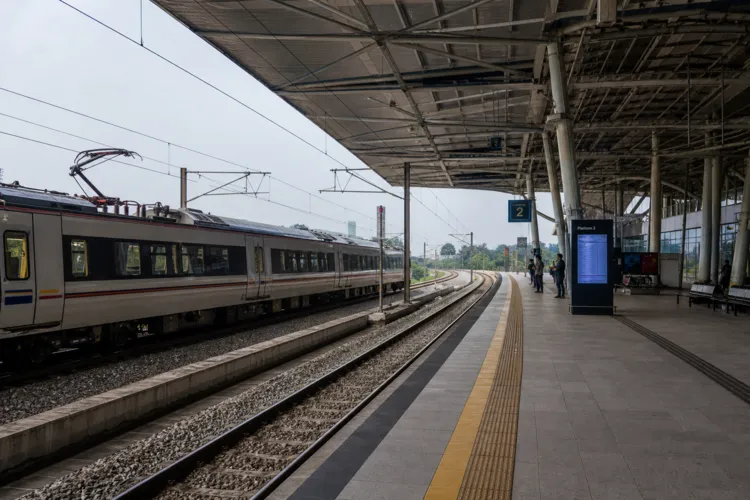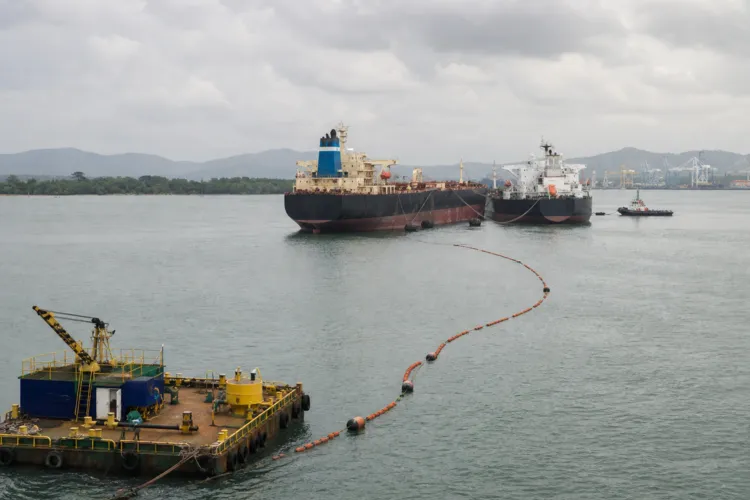
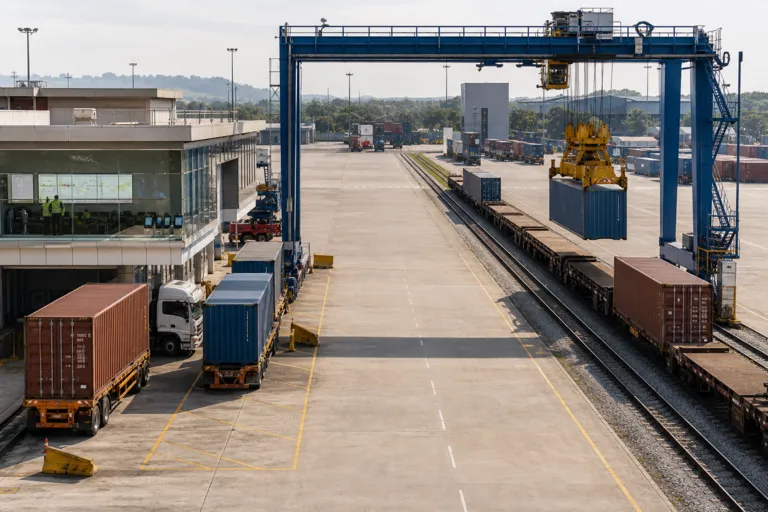
Malaysia digital freight forwarding is moving the industry away from fragmented, paper-based coordination toward connected planning and visibility. In Malaysia’s freight logistics market, digitalization is replacing legacy paper customs declarations and manual load planning with the National Single Window (NSW) platform, AI-driven route optimization, and real-time cargo tracking. Digital platforms and data analytics are also enabling providers to offer end-to-end visibility and control, which becomes more valuable as businesses navigate complex regulatory environments and optimize global supply chains. This shift supports cross-border forwarding, customs brokerage, and supply chain consulting, which are repeatedly highlighted as important services in Malaysia’s freight logistics landscape.
Customer expectations are accelerating modernization in operational workflows, especially for last-mile and parcel-linked freight. Same-day fulfillment is described as a standard expectation, with leading platforms shipping 95% of orders within 24 hours. Free-delivery preferences among 64.8% of internet users are also pushing providers to adopt automated sortation, micro-fulfillment centers, and data-driven route planning. The impact shows up in specific operational results. MR DIY is cited as achieving 200% efficiency gains after installing robotic systems. Separately, courier, express, and parcel (CEP) services are forecast to expand at a 6.30% CAGR over 2026–2035, linked to e-commerce penetration exceeding 35% of retail sales, which increases the need for faster, better-coordinated freight handoffs.
Digital Freight Forwarding Meets New Trade Corridors and Manufacturing Demand
Industrial growth is also changing the kind of freight that must be moved, and it raises the value of digitally managed coordination. Investment approvals in 2024 are described as reaching MYR 378.5 billion (USD 82.3 billion) in one source, while another notes approved projects topping MYR 400 billion (approximately USD 88 billion). This manufacturing momentum is linked to semiconductors, advanced automotive components, and renewable-energy assemblies. These sectors drive demand for electrostatic-discharge-compliant packaging, secure robotics, and tightly synchronized inbound raw-material flows with high-frequency outbound shipments. Manufacturing is also quantified as capturing approximately 42.1% of the Malaysia freight logistics market in 2025, underlining why forwarders and logistics providers are prioritizing more structured planning, visibility, and compliance-ready processes.
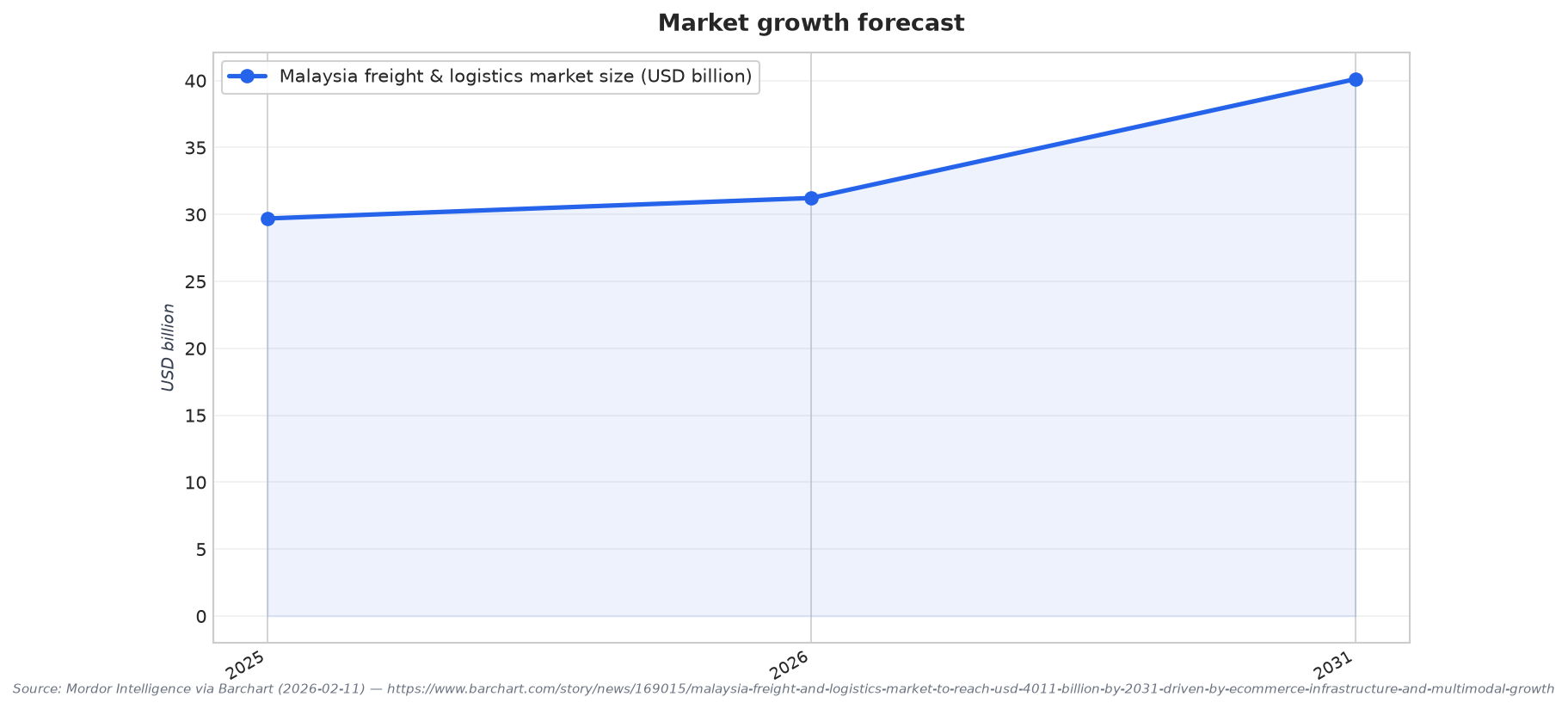
Infrastructure and corridor connectivity add another layer where digital forwarding tools can reduce friction. The 665 km East Coast Rail Link (ECRL) is stated as 78.5% complete, with Phase 1 slated to start in January 2027. Another source adds that the government has committed over MYR 9 billion to the ECRL, and that completion will slash freight transit time between Kuantan Port and Port Klang by roughly 50%. Financing signals are also part of the story, including a MYR 4.5 billion (USD 978.8 million) SDG sukuk. For cross-border options, Malaysia–Chongqing rail transit is described as reduced to nine days, supporting time-sensitive alternatives where digital booking, tracking, and exception management matter.
Market structure helps explain where modernization concentrates first and how scaling happens. The Central Region—anchored by Selangor, Kuala Lumpur, and Port Klang—commands roughly 44.6% of total freight throughput, reflecting dense manufacturing clusters and the country’s primary container gateway. Freight transport accounted for 51.2% of the Malaysia freight logistics market in 2025, showing how core transport execution still dominates even as digital layers improve planning and control. Key players cited in Malaysia include Pos Malaysia, GD Express, and Kuehne + Nagel, and other lists include CEVA Logistics, Deutsche Post DHL Group, and CJ Century Logistics Holdings Berhad. Across these operators, the adoption of blockchain, artificial intelligence, and IoT is described as an opportunity to streamline trade processes and raise service reliability.
How is Malaysia’s digital freight forwarding changing day-to-day logistics work?
What e-commerce signals are pushing logistics providers to modernise?
What proof points show automation improving efficiency in Malaysia logistics?
How will the East Coast Rail Link (ECRL) affect freight movement?
Where is freight activity most concentrated within Malaysia?