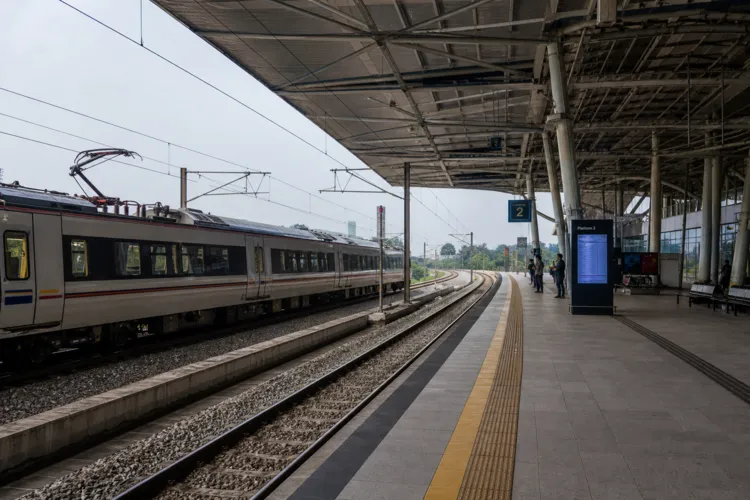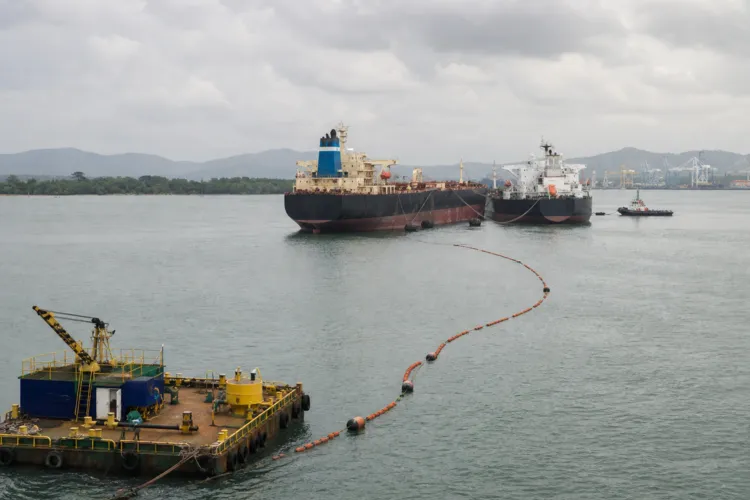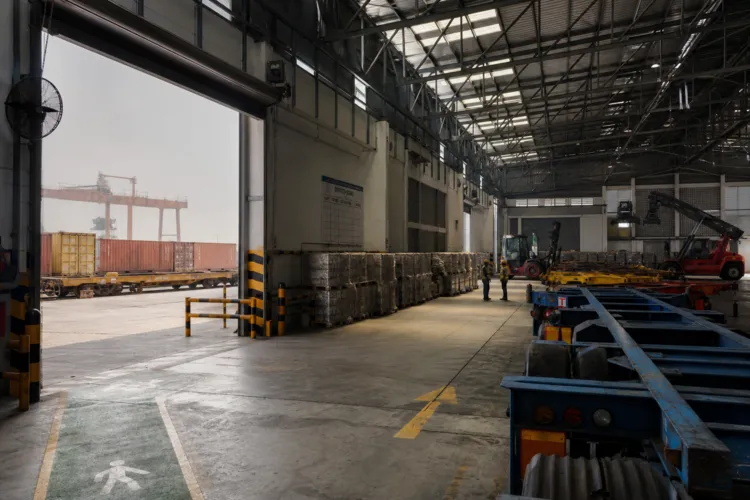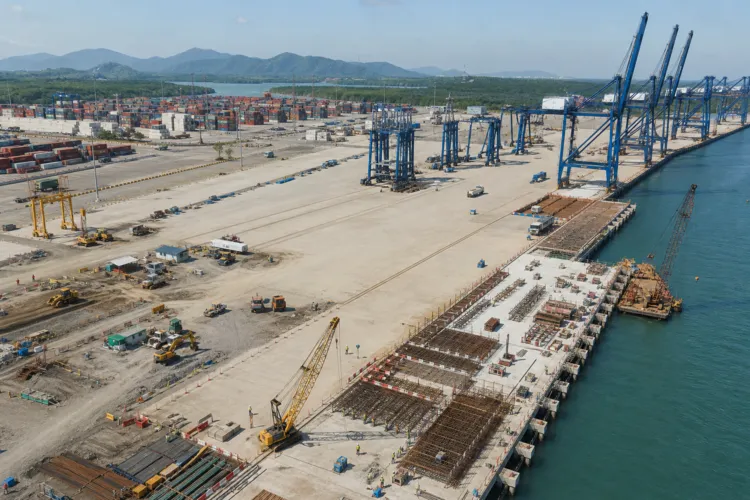
Port Klang is already a major container gateway on the Strait of Malacca, handling 15.14 million TEUs in 2025. That location matters because the strait carries about 25% of global trade and 40% of global oil shipments, so Port Klang sits on a lane that most Asia–Europe and Asia–Middle East voyages pass through. Westports, the larger of Port Klang’s two main terminals, handled 11.33 million TEUs in 2025 and recorded a 57.6% transshipment ratio. For shippers, those numbers help explain why Port Klang is pitched as an alternative routing option versus higher-cost hubs, and why expansions are framed as competitiveness plays rather than local-only infrastructure upgrades.
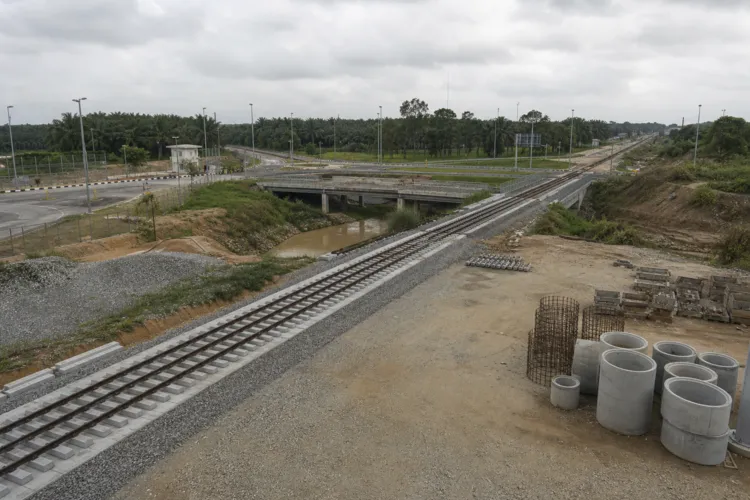
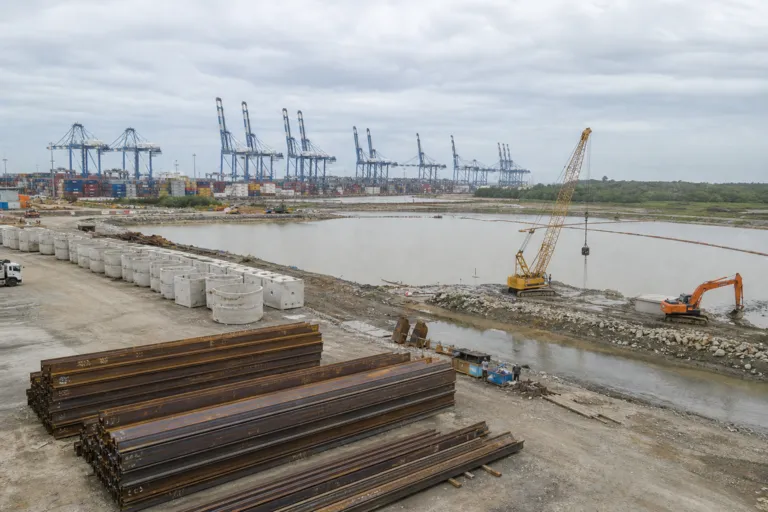
The proposed third terminal on Carey Island has moved beyond concept. Malaysia’s Cabinet approved a new third port for the Port Klang complex to be built on Pulau Carey in Kuala Langat, with the Selangor state government appointed as lead developer. The state identified 1,699.68 hectares (about 4,200 acres) for development, spanning seabed land managed by the Selangor State Development Corporation and coastal land owned by Yayasan Selangor. The planned delivery model is Build-Operate-Transfer, with Selangor forming a special purpose vehicle with private companies, while the Transport Ministry oversees implementation as regulator.
What the Capacity Roadmap Signals for Service Planning
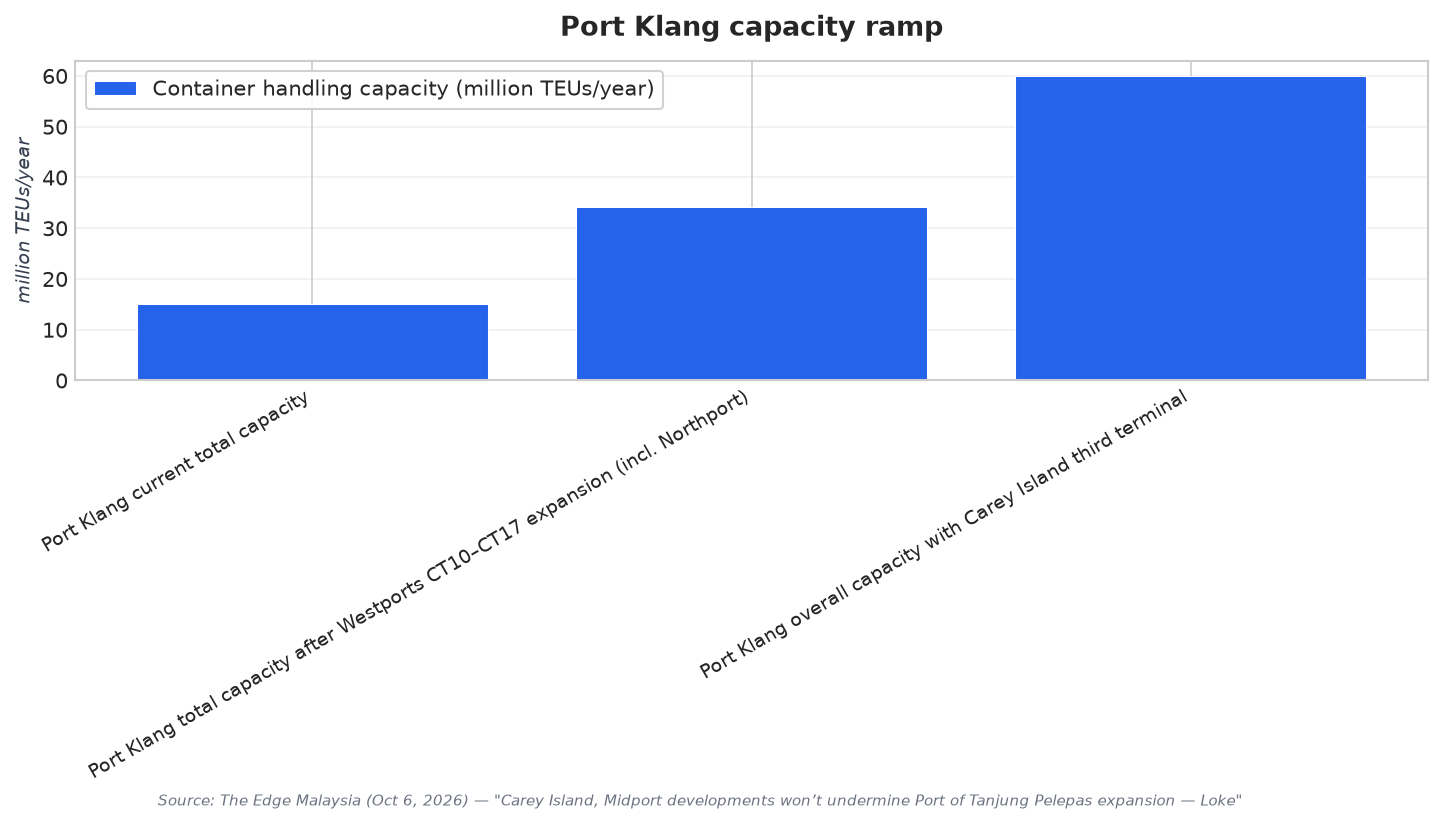
For shippers, the clearest near-term capacity signal is still Westports’ expansion. The Transport Ministry said Port Klang has reached more than 73% utilisation of existing capacity while handling 15.14 million TEUs in 2025. Westports’ container terminal expansion, covering berths CT10 to CT17, is expected to raise Westports’ handling capacity to 28 million TEUs and lift Port Klang’s total capacity (including Northport) to 34.2 million TEUs. In a separate comparison point, Selangor cited Port Klang’s annual handling capacity at about 15.1 million TEUs, projected to increase to around 28 million to 29 million TEUs upon completion of Westports Phase 2.
Carey Island’s role is also being positioned as complementary, not instantly container-heavy. Transport Minister Anthony Loke said the proposed third terminal at Carey Island will initially focus on general cargo rather than containers. He also said the Carey Island and Midport developments would not undermine Port of Tanjung Pelepas (PTP), describing distinct roles rather than direct competition for the same cargo. For longer-horizon planning, Loke described the Carey Island development as phased and expected to take nearly 20 years to be fully completed, with the intent of keeping Malaysia’s maritime competitiveness strong for the next 20 to 30 years.
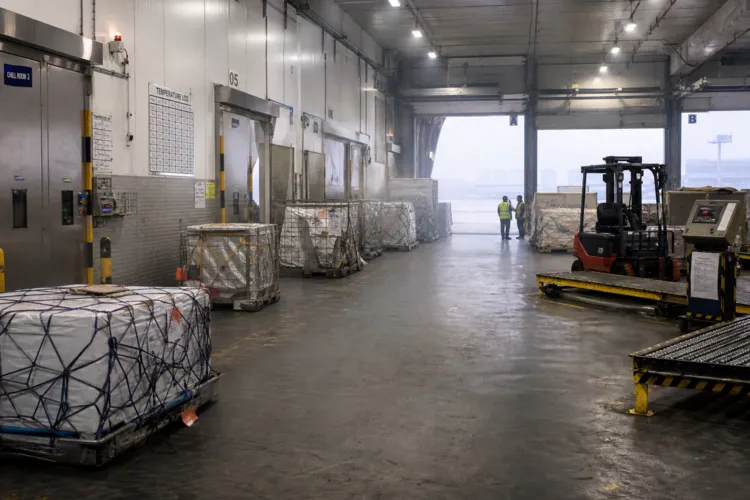
For investors, the logistics spillover is part of the decision set, not an afterthought. Industrial property within or immediately adjacent to Port Klang’s free zones can command a structural tenant premium because occupiers pay for proximity that cannot be replicated elsewhere in the Klang Valley. In the wider Greater KL corridor dominated by the Klang and Shah Alam belt, JLL’s Q4 2025 data cited Grade A warehouse vacancy at roughly 5.7% (about 94% occupancy), with capital values near RM374 per square foot. Separately, near-term execution risk remains: as of mid-2026, Selangor was finalising land settlement as an initial phase, and Bernama reported the state was ready to break ground as early as September, subject to Transport Ministry approval of the port licence while it reviews potential operators for the terminal.
What is the Carey Island third port, and who is leading it?
How much land has been identified for the Carey Island development?
What capacity increases are expected from the Port Klang expansion program?
How could the Malaysia Carey Island port plan affect shippers in the near term?
What local logistics market indicators matter to investors watching Port Klang?