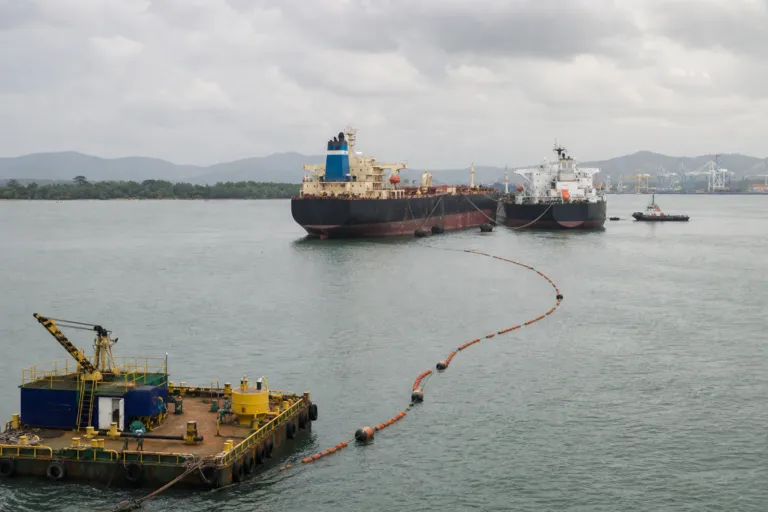
The Straits of Malacca is described as one of the world’s busiest shipping lanes, but Malaysia’s advantage is not automatic. As Borneo Post Online notes, geography is an opportunity, not a guarantee, and thousands of ships passing through the strait do not automatically make Malaysia prosperous. The practical opening lies in services ships buy while in transit or during turnaround: bunkering, ship repair, marine engineering, warehousing, insurance, freight forwarding, and digital logistics. Ship-to-ship operations add another layer, because offshore transfers can support port-independent cargo movement and reduce pressure on berths when schedules are tight.
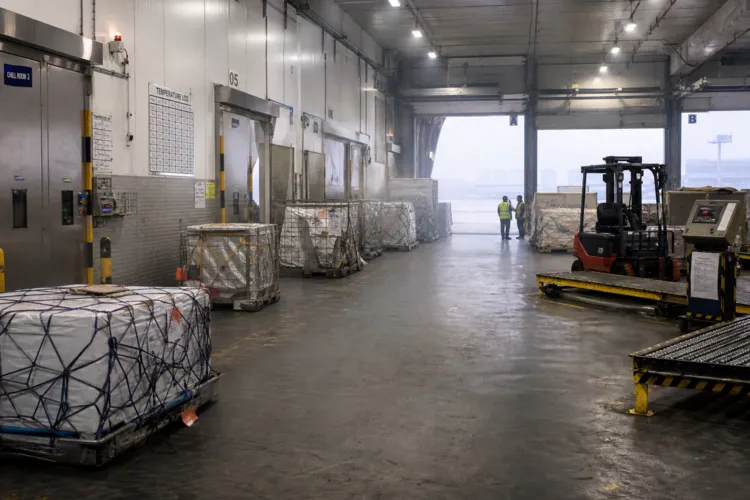
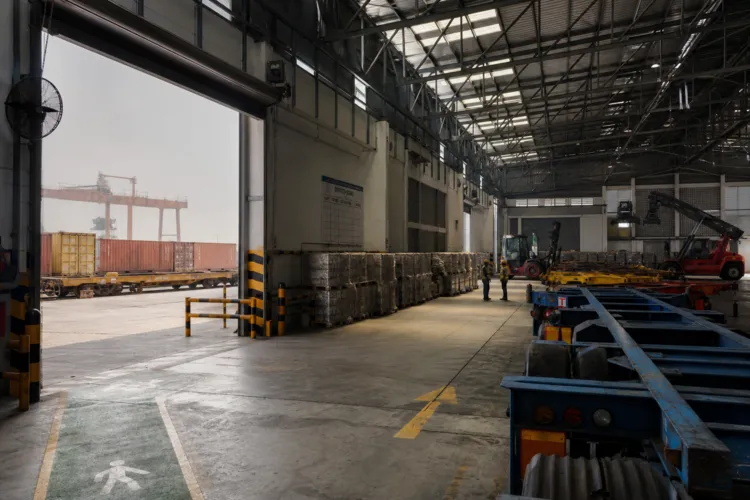
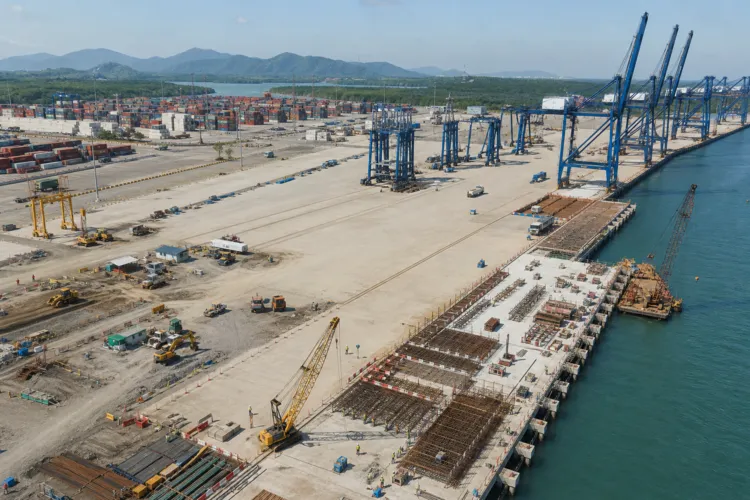
Port Klang is a tangible platform for this service-led strategy. PortServiceFinder reports Port Klang handles 15.14 million TEU annually (2025), with Westports at 11.33 million TEU and Northport at 3.66 million TEU. The same source frames it as Malaysia’s largest and busiest port and places it on the Strait of Malacca, about 38 km southwest of Kuala Lumpur. It also highlights an ecosystem for ship agents, chandlers, marine surveyors, and bunker suppliers. For the Malaysia bunkering market, that mix matters because bunkering demand typically rises where transshipment and frequent vessel calls concentrate operations and decision-making.
Why Ship-to-Ship Services Are Rising Along Key Corridors
Two market studies underline why STS is becoming more central to modern maritime logistics, including in Asia Pacific routes linked to the Strait of Malacca. Market.us projects the global ship-to-ship transfer service market will grow from USD 1.5 billion in 2025 to USD 2.5 billion by 2034 at a 5.9% CAGR, and it assigns Asia Pacific a 49.9% regional share valued at USD 0.6 billion in 2025. Dataintelo sizes the global ship-to-ship transfer services market at $7.8 billion in 2025 and forecasts $12.4 billion by 2033, at a 6.8% CAGR, with Asia Pacific at $3.3 billion and 42.5% of worldwide revenue in 2025. It also states the Port of Singapore and the Strait of Malacca serve as primary transshipment points where STS operations are performed daily.
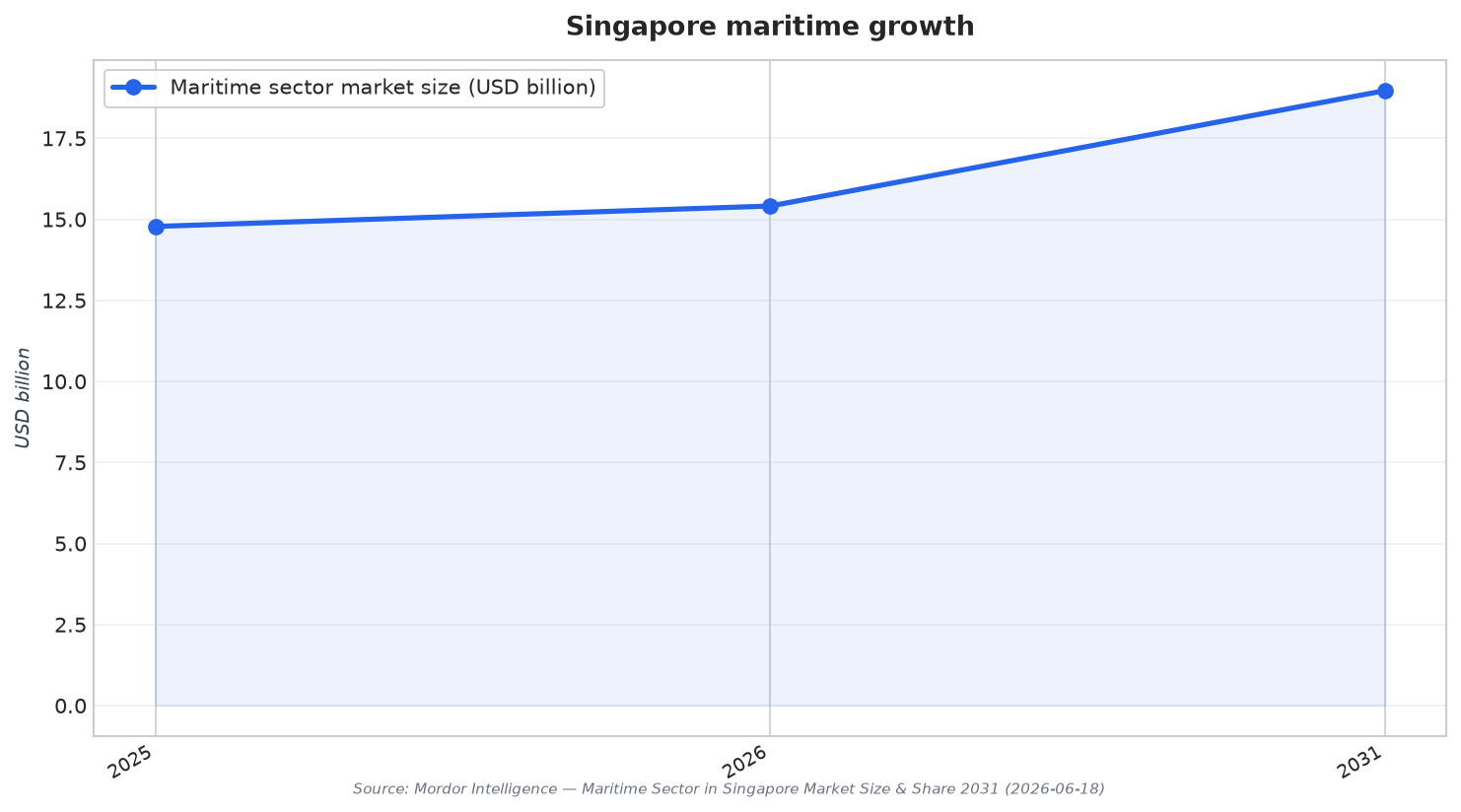
Singapore’s scale sets a nearby benchmark, and it clarifies the competitive bar Malaysia must meet on reliability and documentation. Mordor Intelligence reports Singapore bunker volumes of 54.92 million tonnes in 2024 and container throughput of 41.12 million TEU in 2024, about 85% of which was transshipment cargo. It also notes that, by activity, Port and Terminal Operations held 40.78% share of Singapore’s maritime sector market in 2025, while bunkering services is projected to expand at a 4.62% CAGR through 2031. For Malaysia, the opportunity is not to copy the model, but to build complementary Straits capacity where Port Klang’s throughput, services ecosystem, and offshore-transfer capability can capture time-sensitive demand.
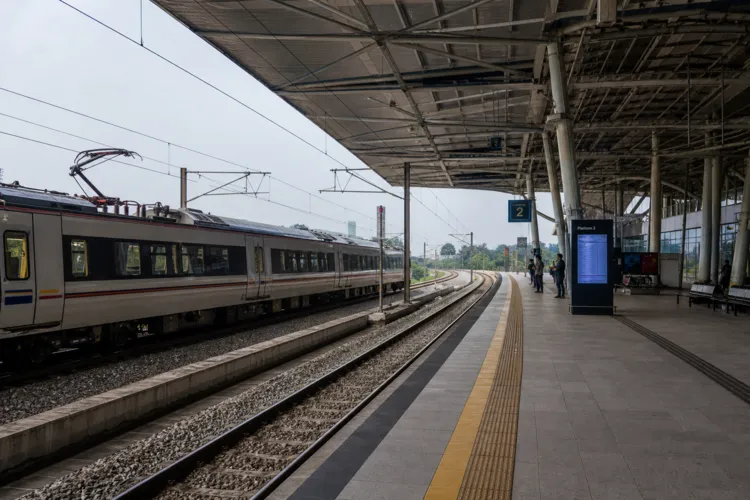
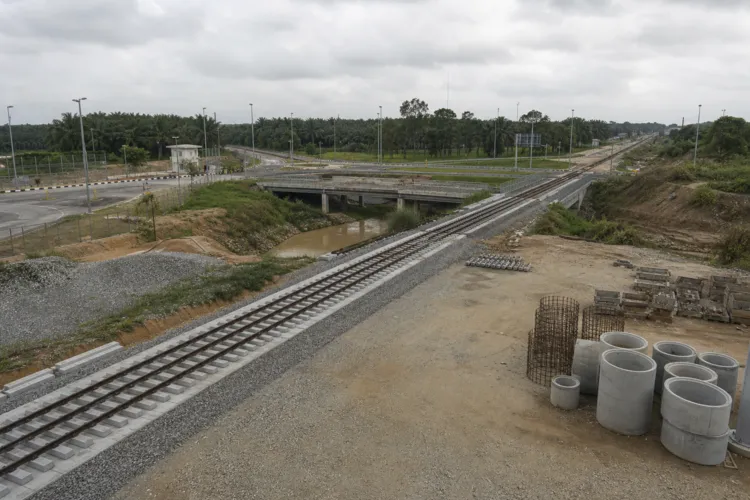
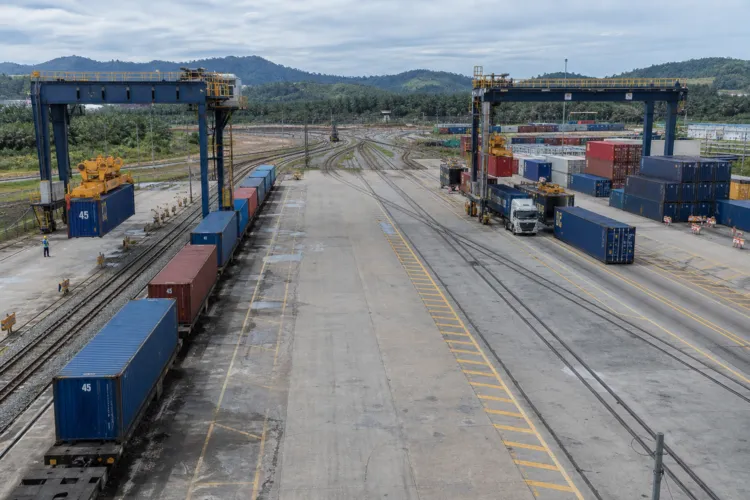
Connectivity investments can strengthen Malaysia’s service proposition by reducing friction between ports and inland cargo owners. Market Research Future states the government has committed over MYR 9 Billion to the East Coast Rail Link (ECRL), and that, upon completion, it will slash freight transit time between Kuantan Port and Port Klang by roughly 50%, directly linking the South China Sea coast to the Strait of Malacca. The same source reports approved projects during 2024 topped MYR 400 Billion (approximately USD 88 Billion) in foreign direct investment. Together, these signals support a practical thesis: when cargo, compliance needs, and vessel services connect, Malaysia can convert strait traffic into higher-value maritime activity centered on bunkering and STS-enabled flexibility.
What makes Port Klang relevant to bunkering and maritime services in the Straits of Malacca?
How fast is the global ship-to-ship transfer service market expected to grow?
What do the sources say about Asia Pacific’s role in ship-to-ship transfer services?
How does Singapore’s bunkering scale compare as a nearby benchmark?
What is the clearest infrastructure catalyst mentioned for strengthening the Malaysia bunkering market opportunity?