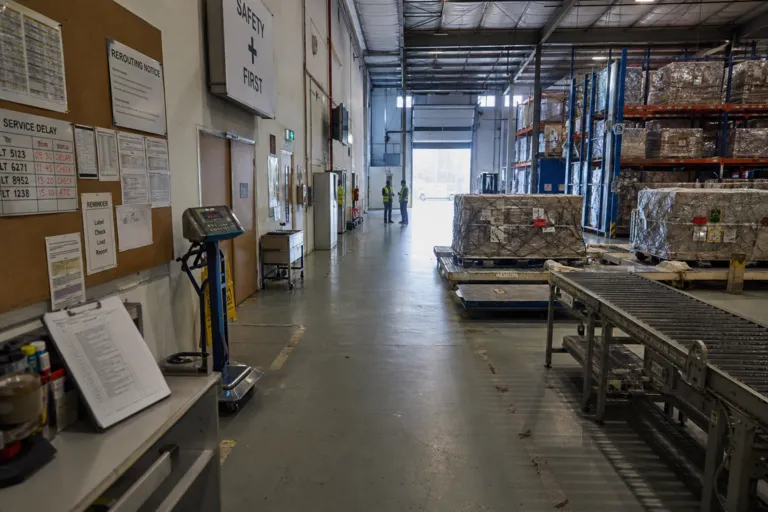
When maritime security deteriorates in West Asia, Malaysia’s trade and delivery networks feel it quickly through cost and time pressure. A Matrade survey reported that over 60% of Malaysian exporters expect to be impacted by the Middle East conflict due to shipment delays and higher shipping and insurance costs. The survey also noted that around 39% of respondents export to the region, mainly the UAE and Saudi Arabia, and many are considering diversifying to other markets. For e-commerce logistics, this matters because persistent disruptions reshape freight availability, delivery lead times, and the price customers will accept.
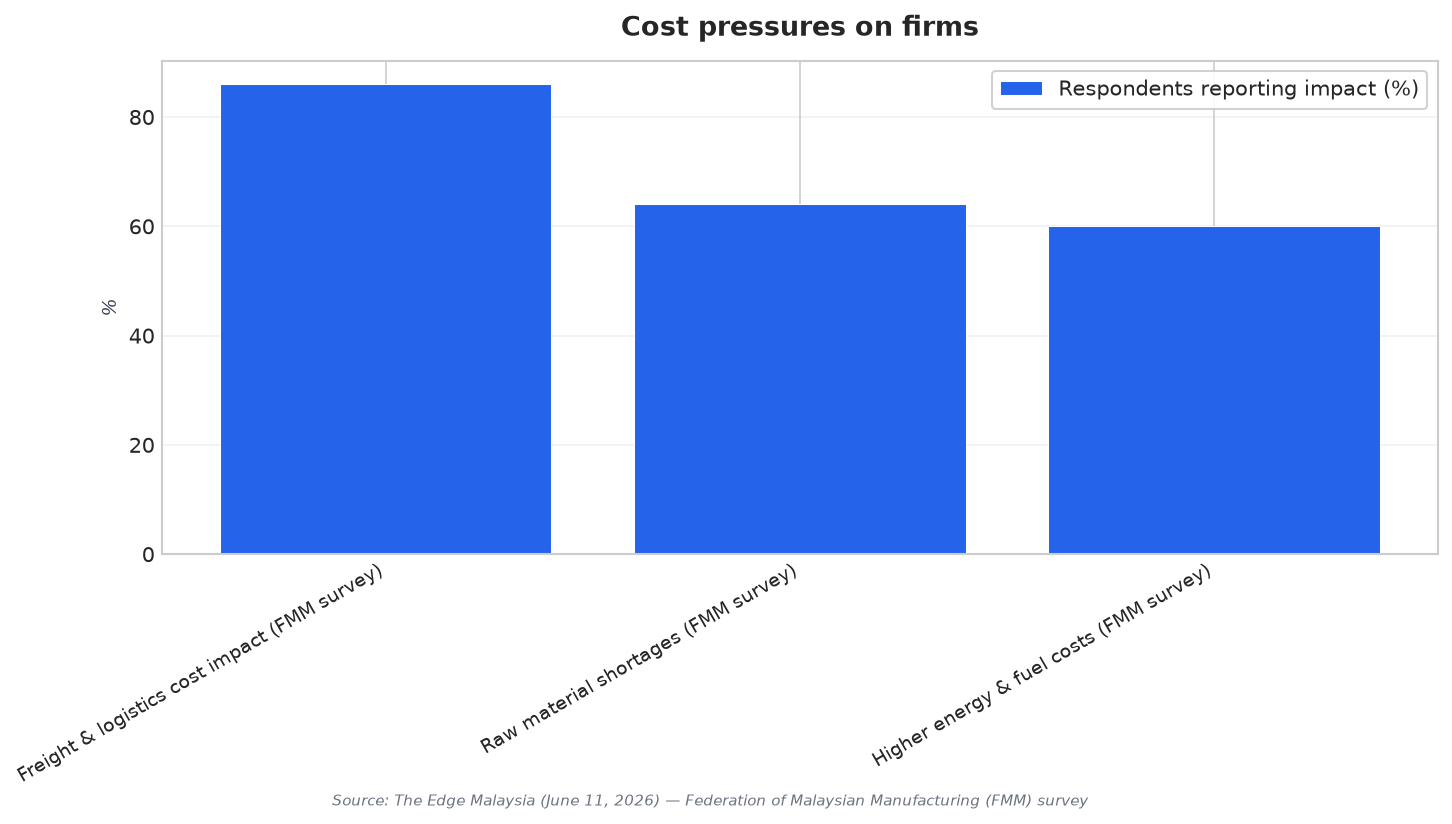
Manufacturing indicators show how delays become a commercial problem, not just an operational headache. In a Federation of Malaysian Manufacturing (FMM) poll of 196 companies conducted between May 25 and June 10, 58% said they were operating at or below breakeven on affected product lines. More than one-third were already losing orders to competitors in less affected markets, and 19% had discontinued products that were no longer viable. The same FMM results found 74% reporting production costs at least 10% above pre-conflict levels, with freight and logistics the biggest cost driver affecting 86% of respondents. These figures frame what a Malaysia West Asia conflict supply chain disruption can look like when it persists and customers resist price increases.
Cost Spikes, Capacity Locks, and Why Delays Keep Compounding
Research on West Asia maritime disruptions warns that costs can jump suddenly when capacity is tight and routes are forced to change. An IJRISS study states that conflicts along the Red Sea corridor can trigger an immediate 150% cost shock and that some economies cannot absorb a 200% spike in inbound logistics costs. The paper also describes how vessels may veer “thousands of nautical miles around Africa,” extending transit time and locking up working capital as cargo sits in motion longer. Separately, Drewry’s Intra-Asia Container Index rose 57% in the first week of April to US$865 per 40-foot container, from US$552 before the onset of the Iran conflict. Together, these points explain why delay risk and freight cost inflation tend to move together during conflict-driven rerouting.
Malaysia’s last-mile and domestic distribution can also face secondary pricing effects when broader lanes get disrupted. In The Edge’s logistics cover story, GDEX said airline charges for routes between Peninsular Malaysia and Sabah and Sarawak had risen by nearly 30%, prompting delivery price increases on those lanes. The same report described softer demand in certain segments and growing price sensitivity even as e-commerce activity continues to grow. For major ports, direct exposure can be limited yet still worth monitoring: an RHB Investment Research note cited in the same piece said only 5% of Westports’ container volume is exposed to the Middle East, even though Asia-Europe routes account for 16% of overall throughput, and management confirmed that all eight services calling from the Middle East remain active.
Resilience lessons in Malaysia are emerging as firms change routes, suppliers, and operating models. Matrade advised exporters to reroute via safer regional ports and highlighted options such as the Port of Fujairah in the UAE and the Port of Salalah in Oman, plus land-based transportation where feasible, while also suggesting insurance coverage for risks such as cargo abandonment and escalating war-risk premiums. Later signals show companies restructuring more deeply: a Malay Mail report said 96% of firms were affected by supply-chain issues and increased input costs, 72% cited freight, logistics, and shipping costs as a burden, and 21% had comprehensively restructured their logistics arrangements, including shifting raw-material sourcing to Singapore and China. The practical takeaway is clear: route optionality, supplier diversification, and redesigned logistics playbooks can reduce vulnerability when disruptions persist for months.
How is the West Asia conflict affecting Malaysian exporters right now?
What do Malaysian manufacturers report about cost increases and lost business?
What evidence shows freight rates rising during the disruption?
What resilience moves are being recommended or implemented?
What does the Malaysia West Asia conflict supply chain issue mean for e-commerce logistics costs and delays?