Malaysia’s visitor economy is entering 2026 with visible momentum, and China is a major force behind that shift. Malaysia recorded 10.65 million international visitor arrivals in Q1 2026, with arrivals led by Singapore and supported by China and Indonesia, alongside growing demand from several European markets. The change is not just about volume. It is also about how airlines and tourism operators respond when aviation connectivity expands at the same time as global travel faces operational pressures, including airline rerouting and broader geopolitical disruptions. Malaysia’s approach, as described in industry coverage tied to the Visit Malaysia 2026 push, is to keep broad source-market diversity while still capturing the rebound in Chinese travel.
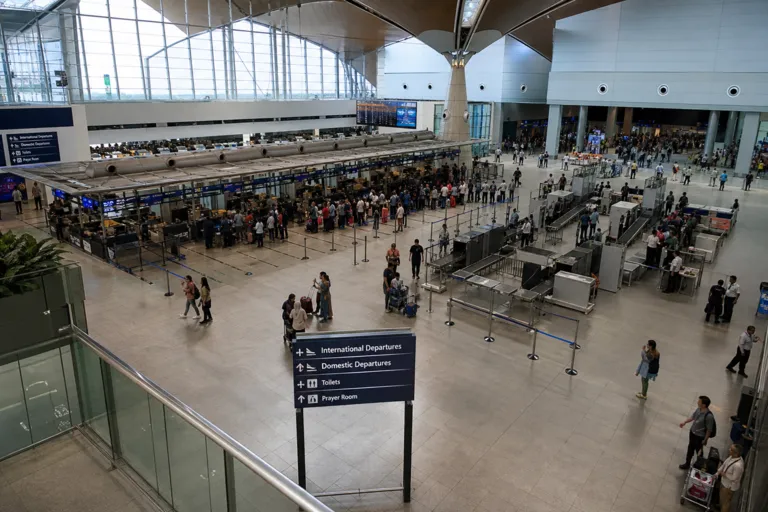
The air-transport channel shows how quickly flows can compound. Kuala Lumpur International Airport (KLIA) handled nearly seventeen million passengers in the first four months of 2026, and reporting attributes a central role in that growth to demand linked to China, alongside expanded direct flight routes between the two countries. For Malaysia’s travel economy, that matters because airport throughput is the front-end of downstream spending across hospitality, retail, transport, and attractions. As carriers add routes and increase frequencies, the practical effect is more seat supply, more itinerary choice, and more opportunities for short-stay leisure trips and business travel to convert into hotel nights and local consumption.
Visa-Free Momentum Meets New Capacity
Policy has also reduced friction in ways that change traveler behavior. During the initial 30-day visa-free period that began in December 2023, Malaysia recorded more than four million Chinese visitors, restoring China to a top inbound position in Malaysia according to the cited reporting. Industry commentary around route announcements highlights a practical focus on reducing total door-to-door time by adding frequencies and aligning schedules. It also describes low-cost carriers expanding their presence on China–Malaysia routes, marketing short and frequent flights at competitive fares to younger and budget-conscious travelers. For operators on the ground, this combination can compress booking windows and raise the value of always-on promotions.
Visit Malaysia 2026 messaging also links demand peaks to aviation and seasonal travel drivers. One report notes that China recorded one of the strongest increases in arrivals, driven by Chinese New Year travel and expanded flight links. In the same context, Malaysia recorded 10.6 million international arrivals in Q1 2026, described as a record for that period, and a second consecutive year above 10 million. Even where narratives emphasize multiple markets, the China lane is treated as strategically important because connectivity and calendar-driven travel can quickly lift load factors and prompt more route experimentation, which in turn can spread tourists beyond the core gateways.
For travel businesses thinking about Malaysia inbound tourism China dynamics, the bigger picture is that cross-border travel rules and flight networks can reshape confidence and planning cycles. Separate reporting on China’s inbound recovery provides context: it cites inbound tourism spending exceeding US$94 billion in 2024 and inbound tourism recovery past 131 million, while describing how visa facilitation and flight capacity can accelerate flows. Applied carefully as regional context, it helps explain why airlines, hotels, and travel platforms pay close attention to clearer traveler expectations and smoother travel processes. In Malaysia, the result is a more connected visitor economy, built on diversified demand but strongly influenced by how quickly China-linked routes and policies can shift volume.
What early-2026 figures show Malaysia’s tourism momentum?
How is China influencing KLIA and Malaysia’s air connectivity in 2026?
What impact did visa-free travel have on Chinese visits to Malaysia?
How are new routes and scheduling changes reshaping travel behavior on the China–Malaysia corridor?
What does the Malaysia inbound tourism China story mean for local travel businesses?