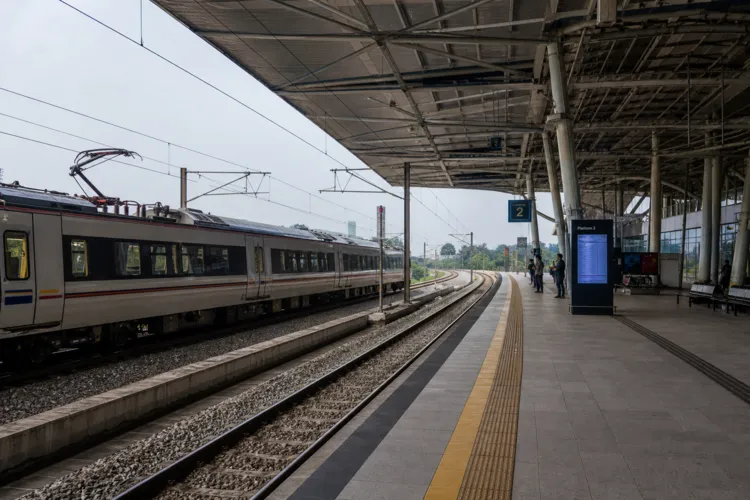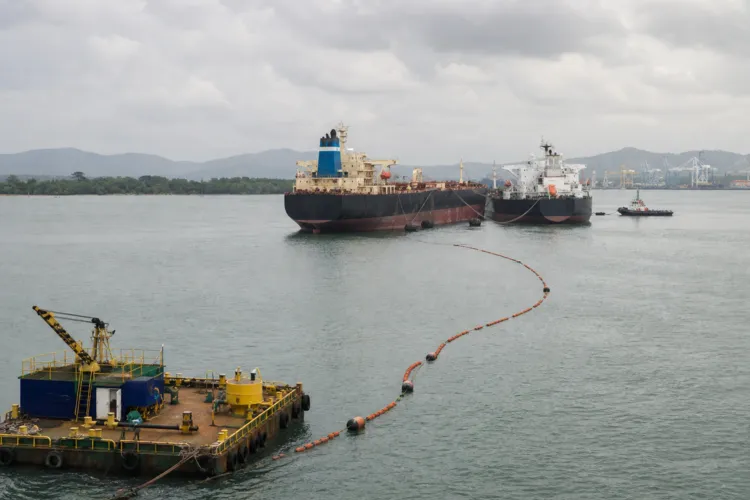
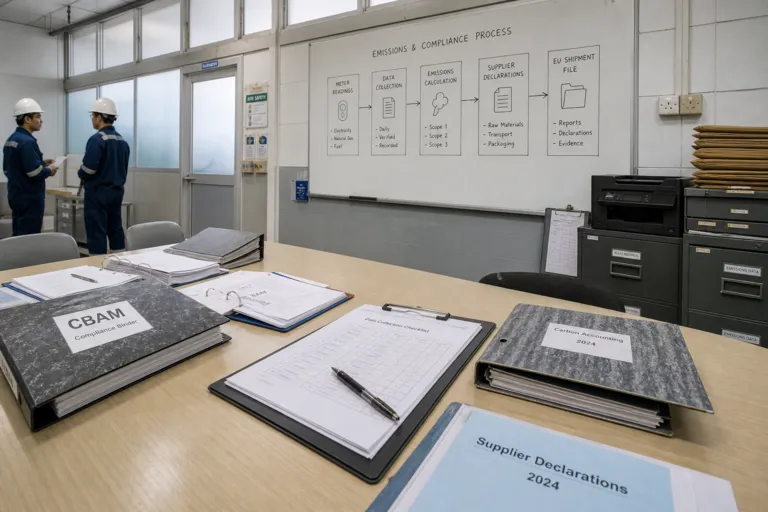
Since January 2026, the EU Carbon Border Adjustment Mechanism (CBAM) has required importers of products including steel, aluminium, cement, fertilisers and hydrogen to comply with a system that places a carbon price on imports from countries without equivalent carbon pricing systems. For Malaysia, which exports manufactured goods through major ports such as Port Klang, Penang Port, and Port of Tanjung Pelepas, the impact is not limited to factory gates. A shipping-focused guide on Malaysia’s 2026 regulatory landscape warns that combined pressures from e-Invoicing compliance, a carbon tax, and EU CBAM requirements will reshape freight costs and logistics operations for Malaysian exporters involved in international shipping. It also notes that these changes can affect shipping documentation, compliance procedures, and logistics planning before 2026 timelines fully bite.
Steel and aluminium are at the center of the competitiveness challenge for ASEAN exporters. An ASEAN-focused briefing says Malaysia, Indonesia and Vietnam are among the region’s leading exporters of iron, steel and aluminium to the EU. It also warns that if producers fail to reduce emissions or meet the EU’s carbon reporting requirements, their products could lose competitiveness in the European market, potentially leading to lower production, reduced exports and job losses. Compliance itself can raise costs, because companies need to measure embedded emissions, prepare carbon reports, and upgrade production processes. The same briefing highlights that small and medium-sized enterprises may face greater challenges due to limited financial resources and technical expertise needed to comply with reporting requirements.
CBAM Is Already Changing Trade Behavior and Cost Signals
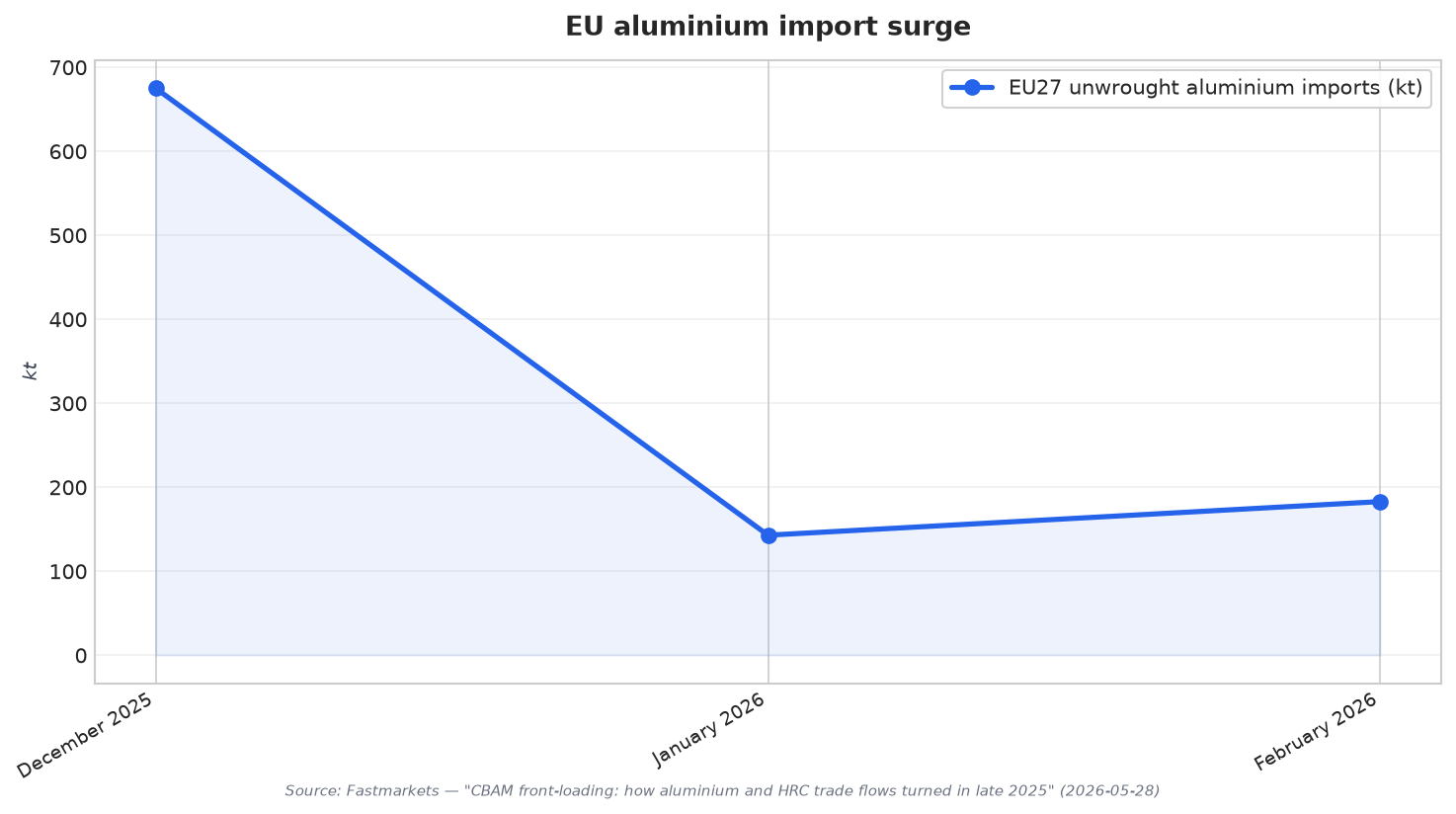
Trade data from Europe shows how strongly CBAM can pull shipments forward and then abruptly cool flows. Fastmarkets reports that EU27 imports of unwrought aluminium stayed steady at 280-360 kt per month through most of 2024 and 2025, then surged to 675 kt in December 2025 before collapsing by 79% to 143 kt in January 2026 and staying below the pre-CBAM level at 183 kt in February. The same analysis links this behavior to the definitive phase starting on 1 January 2026 and notes a Q1 2026 CBAM certificate price confirmed at €75.36/tCO2e. It estimates an implied saving of roughly €70 per tonne of aluminium, or approximately €47 million in aggregate, as an incentive to clear units before January.
For Malaysian exporters, these EU-side patterns matter because they shape buyer expectations, inventory cycles, and negotiation leverage. Fastmarkets notes the December overshoot above the 2024 monthly average was roughly 368 kt, while January and February 2026 combined were about 290 kt below the average, implying front-loaded aluminium was still working through EU supply chains by end-February. It also reports that the mid-point of the aluminium P1020A premium, in-whs dp Rotterdam averaged $343 per tonne at the beginning of January 2026, little changed from $330 per tonne at the beginning of December, and the mid-point averaged $361 per tonne in February. This helps explain why price signals may not immediately reflect new border costs when the market is digesting CBAM-free inventory.
The Malaysia CBAM impact will also hinge on how quickly exporters build credible low-carbon positioning and reporting capability. One market note argues Malaysia benefits from hydropower-backed production that delivers aluminium profiles with materially lower lifecycle carbon footprints, framed as a quality premium in carbon-regulated markets. In parallel, Malaysia’s logistics operators are bracing for extra layers of cost and paperwork: a Malaysia shipping regulations guide cites projections that carbon-related surcharges could add 3 to 8 percent to overall freight costs on major trade lanes from Malaysia by end of 2026. Taken together, the near-term pressure is operational, but the medium-term prize is resilience: better emissions data, cleaner production choices, and smoother customs compliance for EU-bound sales.
Which products does the EU CBAM cover in 2026 that matter for Malaysian exporters?
What does EU trade data suggest about how CBAM changes aluminium shipping patterns?
What CBAM cost signal is cited for early 2026, and why did it matter?
How could the Malaysia CBAM impact show up in freight and logistics costs?
Why are SMEs in Malaysia likely to find CBAM harder than multinationals?