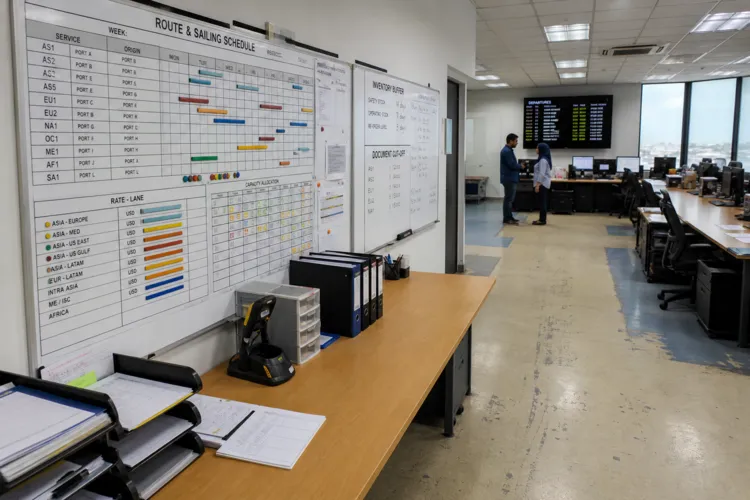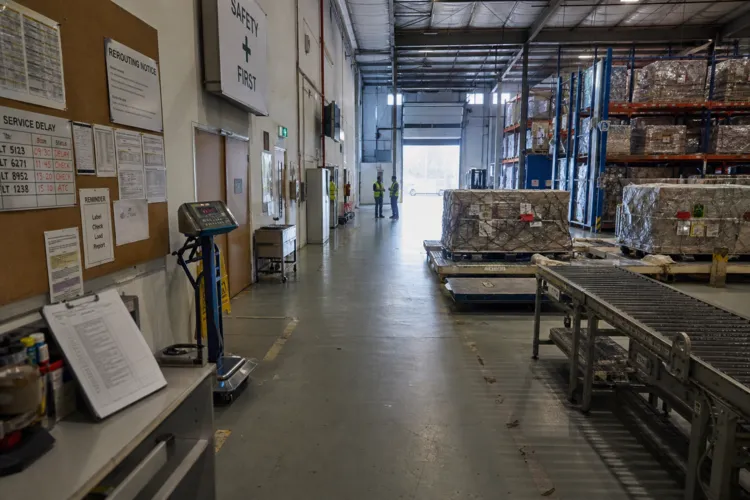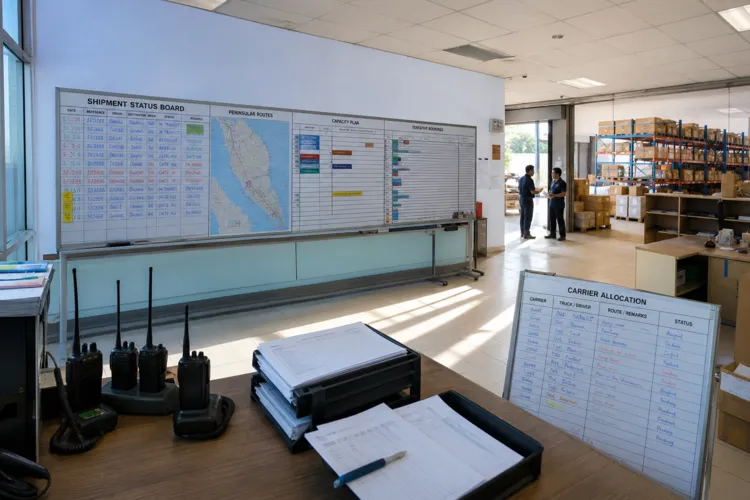
Malaysia’s customs workflow is moving from paper-heavy routines to digital submission and verification. This matters because documentation quality still drives outcomes at the border. DHL notes that most customs clearance delays in Malaysia are not caused by complex regulations, but by incomplete or inconsistent documents. For imports, businesses are generally required to submit an import declaration known as K1, while exports use K2. When importers treat documentation as a digital process with clear ownership and consistent data, they reduce avoidable stop-and-check moments that slow release.
At the center of this shift is Malaysia’s National Single Window (NSW). Multiple market and logistics sources describe legacy paper-based customs declarations and manual load planning giving way to NSW-linked submission, alongside tools such as AI-driven route optimization and real-time cargo tracking. For importers, the practical benefit is simpler coordination: declarations and supporting evidence align earlier in the shipment cycle. When forwarders and brokers connect systems to NSW, they can manage handoffs more tightly, reduce rework, and push exceptions to the front of the queue instead of discovering them at the port.
MyCIEDS: Digitising the Supporting Documents Behind K1 and K2
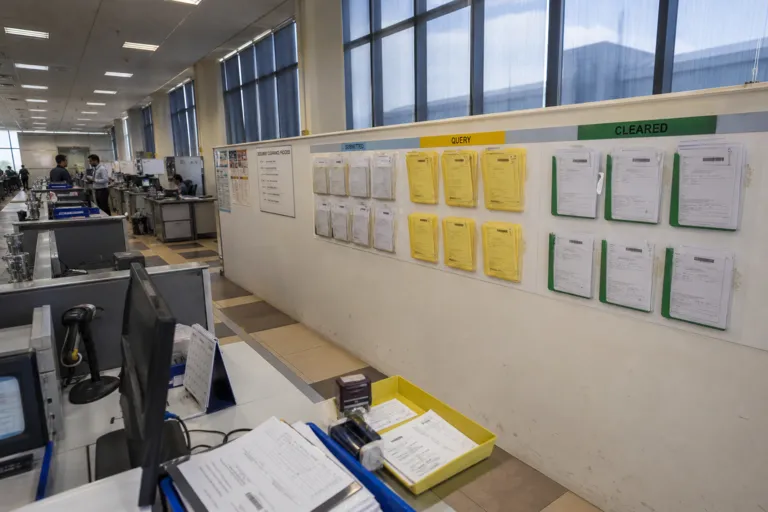
The most concrete change for day-to-day operations is MyCIEDS, the Malaysian Customs Import/Export Document System. DNE Logistics reports that the Royal Malaysian Customs Department (JKDM) has rolled out MyCIEDS nationwide, completing a years-long push to digitise every supporting document involved in customs clearance. Previously, when a forwarding agent lodged a K1 (import) or K2 (export) declaration, they compiled a physical set of documents such as commercial invoices, packing lists, bills of lading, certificates of origin, import permits, and other relevant paperwork for presentation and verification. Moving those supporting documents into a digital flow means importers can standardise what gets uploaded, reduce missing-file risk, and support quicker verification when questions arise.
NSW is also positioned as the platform running the core customs-clearance workflow end to end. DNE Logistics describes electronic declaration submission through NSW for K1 (import), K2 (export), K3 (transhipment), and other customs forms. In parallel, industry reporting frames digitalisation as a broader logistics reset in Malaysia, where connected planning and visibility replace fragmented coordination. In practice, importers can ask service providers for system readiness, such as API integration with NSW and strong data handling practices. These choices help keep document sets consistent across teams and reduce the chance that small mismatches create delays.
Customs digitalisation is happening as freight activity and customer expectations tighten delivery timelines. One Malaysia market analysis notes that same-day fulfilment is described as a standard expectation, with leading platforms shipping 95% of orders within 24 hours, while 64.8% of internet users prefer free delivery. Another logistics report forecasts Malaysia’s courier, express, and parcel services expanding at a 6.30% CAGR over 2026–2035, linking this to e-commerce penetration exceeding 35% of retail sales. Against that backdrop, Malaysia customs digitalisation trade efforts—especially NSW submissions paired with MyCIEDS supporting-document uploads—give importers a cleaner path to clearance by focusing on completeness, consistency, and early digital checks.
What causes many customs clearance delays in Malaysia?
What is the import declaration used in Malaysia customs clearance?
What is MyCIEDS and what changed for supporting documents?
How does the National Single Window (NSW) fit into the clearance workflow?
How does Malaysia’s customs digitalisation support trade for importers?