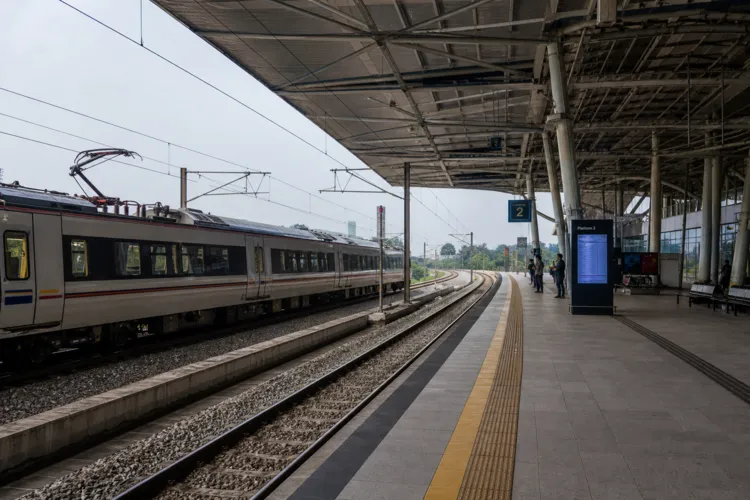
Visit Malaysia Year 2026 is being framed as more than a tourism push. It is also a consumer story. A Malaysia economic outlook report cited by Travel And Tour World projects Malaysia’s economic growth at 4.3% to 4.5% in 2026, supported by domestic consumer spending, active services, and a better labor market. The same report names two main catalysts for 2026: the implementation of the 13th Malaysia Plan (RMK-13) and the Visit Malaysia in 2026 campaign. The mechanism is practical. More arrivals raise demand for hotels, restaurants, and transportation services. That demand can create job opportunities and stimulate consumer spending across the economy.
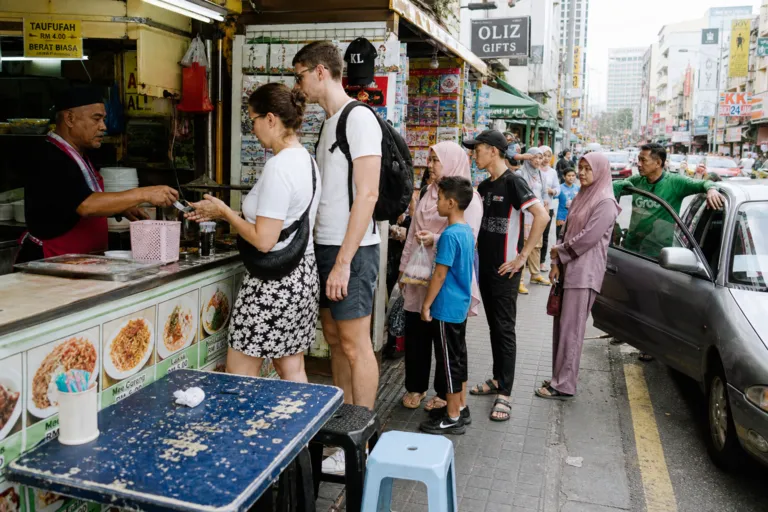
The most direct link between tourism and everyday spending is the spillover into sectors Malaysians use daily. Travel And Tour World says the tourism influx is expected to increase household spending power by approximately 1.0% to 1.7%. It also says the effects extend beyond tourism to retail, food services, transportation, and local businesses, creating a ripple effect throughout Malaysia’s economy. This is the core of the Visit Malaysia Year 2026 Consumer Spending topic: tourism activity can translate into more work, more cash flow for small service businesses, and more reasons for consumers to spend in local communities.
What the Latest Spending Numbers Say About the Ripple Effect
Recent domestic tourism data helps show why policymakers and businesses watch these ripples so closely. Malay Mail, citing the Department of Statistics Malaysia (DOSM), reports that domestic tourists with overnight stays grew from 93.3 million in 2024 to 106.5 million in 2025. Over the same period, total domestic tourism expenditure increased from RM106.7 billion in 2024 to RM121 billion in 2025. Separately, a Visit Malaysia Year 2026 briefing document notes domestic tourism remained resilient with 26 million visitors and RM98.4 billion in spending, and that tourism sustained 3.5 million jobs, representing 21.6% of total employment. Those jobs and purchases are exactly where tourism’s consumer impact can become visible in retail, food and beverage, and transportation.
Inbound travel matters because it brings in external spending. A 2026 Malaysia tourism data report states Malaysia’s tourism strategy counts RM92.7 billion spent at home and RM71.3 billion from abroad, while also describing international visitors as being led by shopping, with 33.9% of their spend. The same report references international visitors staying for over 8 nights and links tourism activity to 3.4 million jobs and a 12.8% GDP cornerstone, alongside a 2026 target of RM147.1 billion. A separate academic paper hosted on ResearchGate also cites Tourism Malaysia’s strategic roadmap projection of 35.6 million tourists generating RM147.1 billion in receipts. Taken together, these figures underline why extra flights, fuller hotels, and more shopping baskets can cascade into broader consumer transactions across Malaysian SMEs.
Still, the ripple effect is not automatic. The Visit Malaysia Year 2026 briefing flags a risk that Chinese tourists might reduce discretionary travel, warning that a drop in their numbers can cause a substantial loss of tourism revenue for Malaysia. Malay Mail also notes MATTA’s view that the Visit Malaysia Year 2026 target of 47 million international visitors remains achievable at this point, despite the ongoing Iran war. For businesses planning around the campaign, the practical takeaway is to build for demand, but stay flexible by serving both domestic and international segments, and by aligning offers with high-spend behaviors like shopping and longer stays described in the tourism data.
How can Visit Malaysia Year 2026 influence consumer spending in Malaysia?
What do the latest domestic tourism spending figures show heading into VMY2026?
What role do jobs play in the tourism-to-spending ripple effect?
How significant is shopping in international visitor spending?
What targets are being discussed for Visit Malaysia Year 2026 tourism receipts and visitors?