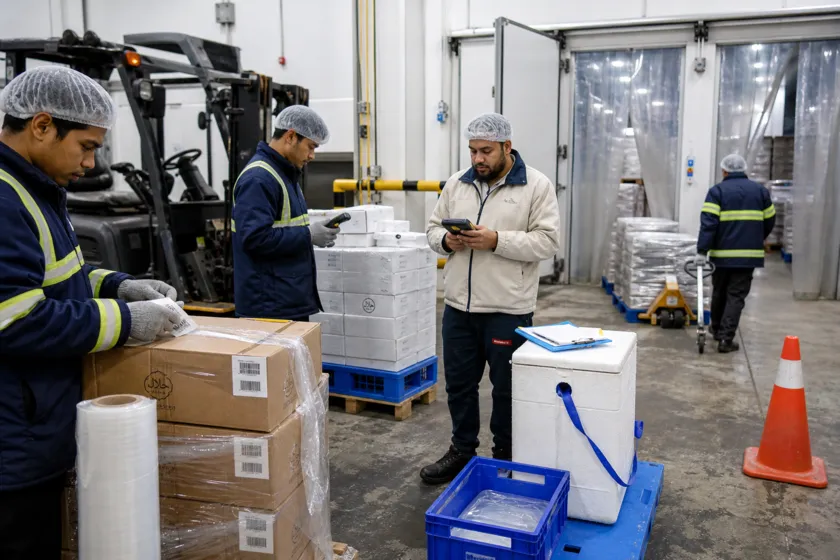
Cold Chain Logistics Malaysia is increasingly defined by export readiness, pharma compliance, and the daily realities of moving perishables without breaks in temperature control. Ken Research describes Malaysia’s cold chain as a niche market with not many providers, yet still in a growth stage. Over the 2016–2021P review period, Ken Research reports a positive 6.9% CAGR, driven by substantial government investments in the freight industry and rising retail and consumer spending, especially across meat and seafood, fruits and vegetables, and a growing pharmaceuticals industry. The same report also highlights Malaysia’s position as a halal industry hub and a major trading partner of halal meat and other products, which pushes demand for disciplined handling and traceability.
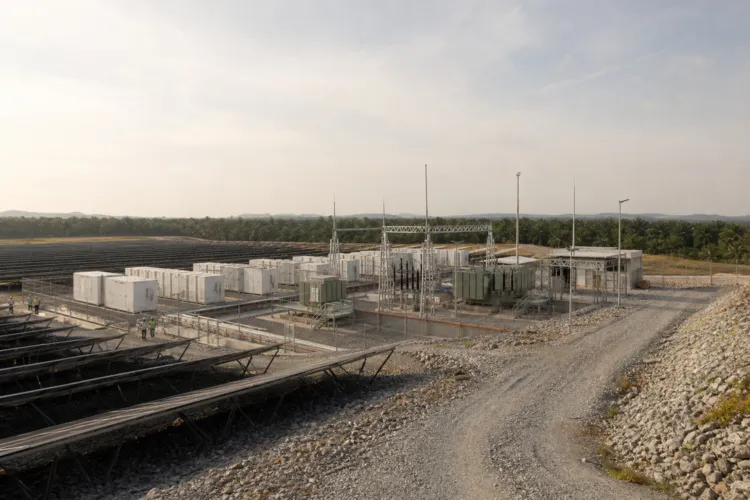
Across the value chain, cold warehousing is repeatedly identified as the revenue anchor. Ken Research states that cold storage dominates and contributes the majority revenue share to Malaysia’s cold chain industry, with many warehouses located in free-zones that facilitate customs processing and provide bonded warehousing for transhipment. It also notes relatively higher growth in cold warehousing than cold transportation, linked to companies setting up new facilities in free-zone areas because warehousing is seen as a more secure long-term asset despite heavy investment costs. IMARC Group’s Malaysia-focused reporting adds a sharper segmentation view: refrigerated warehouses are described as the dominant type with a 68.7% share, and Selangor is cited as the leading state with a 38.0% share, supported by proximity to Port Klang and KLIA.
Why Food, Pharma, and Halal Trade Are Raising the Bar
Food and beverage demand is a consistent driver in Malaysia’s market narrative. Nexdigm states the food and beverage industry has a dominant market share, tied to increasing frozen food consumption, rising imported seafood volumes, expanding supermarket retail chains, and growing demand for temperature-controlled storage across processed food distribution networks serving urban consumer markets. IMARC’s application split reinforces the prominence of core perishables, listing meat, fish, and seafood as the leading application segment with a 36.5% share. For halal exports, Ken Research emphasizes Malaysia’s established role as a halal industry hub, while Nexdigm frames a clear opportunity in developing halal food export cold chain infrastructure, especially where exporters depend on refrigerated storage and transport links to seaports and airport cargo.
Pharmaceutical logistics is another pillar, shaped by regulation and service capability. Ken Research values the Malaysia Cold Chain & Pharma Logistics Market at USD 530 million, based on a five-year historical analysis, and links growth to demand for temperature-sensitive products in pharmaceutical and food sectors, plus rising awareness of product integrity. That report also points to the National Cold Chain Development Guidelines (2019) from the Ministry of Agriculture and Food Industries, describing a framework that sets operational standards for temperature control, storage, and transport of perishables; mandates compliance with Good Distribution Practice (GDP) for pharmaceuticals; and requires licensing for cold storage facilities. Nexdigm adds that large logistics firms tend to dominate pharmaceutical and export-oriented cold storage operations due to advanced infrastructure and regulatory compliance capabilities.
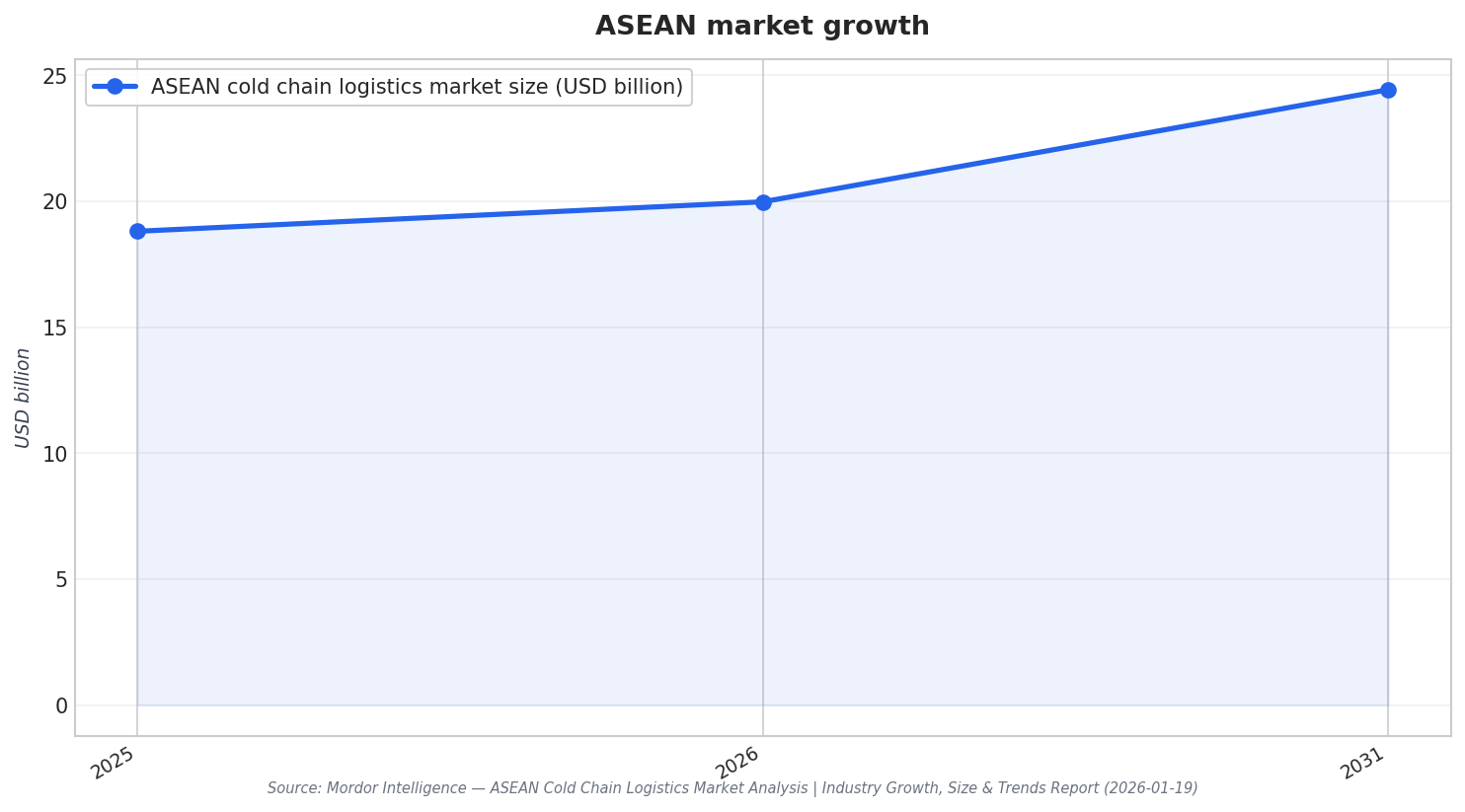
Technology and network design are now central to how providers scale. IMARC notes digitization through IoT and real-time monitoring, describing the use of IoT sensors, GPS, and automated platforms to monitor temperature and improve visibility for stored and transported products. It also highlights the expansion of automated refrigerated warehouses, including high-density racking and advanced refrigeration systems, and a growing emphasis on energy-efficient cooling systems and green refrigerants. The same IMARC materials describe e-commerce and quick commerce growth and call the last mile a major pain point, increasing demand for cold chain delivery that is quick to implement, scalable, and cost-effective. As wider context, Mordor Intelligence projects the ASEAN cold chain logistics market to expand from USD 18.81 billion in 2025 to USD 24.43 billion by 2031, with refrigerated storage leading share at 49.3% in 2025—signals that Malaysia’s priorities also sit inside a region that is becoming more export-oriented and organized.
How fast has Malaysia’s cold chain market grown in the 2016–2021P period?
Which segment leads Malaysia’s cold chain logistics by type?
Which state is highlighted as a major hub for temperature-controlled logistics in Malaysia?
What regulations shape pharma-grade cold chain operations in Malaysia?
What defines Cold Chain Logistics Malaysia for exporters serving halal and international markets?