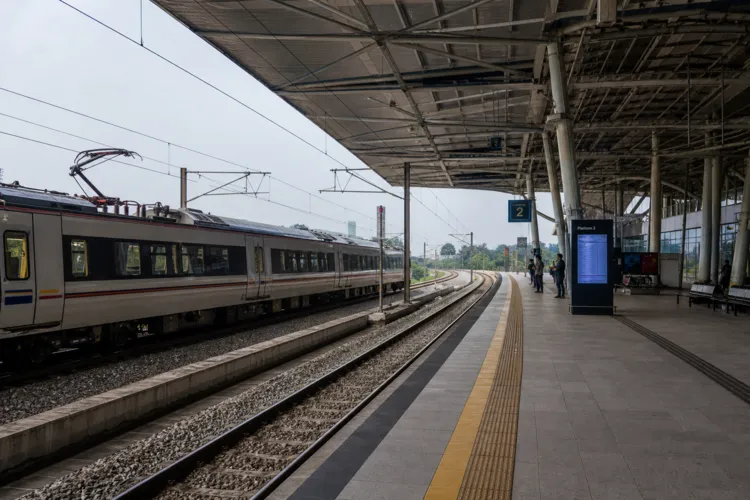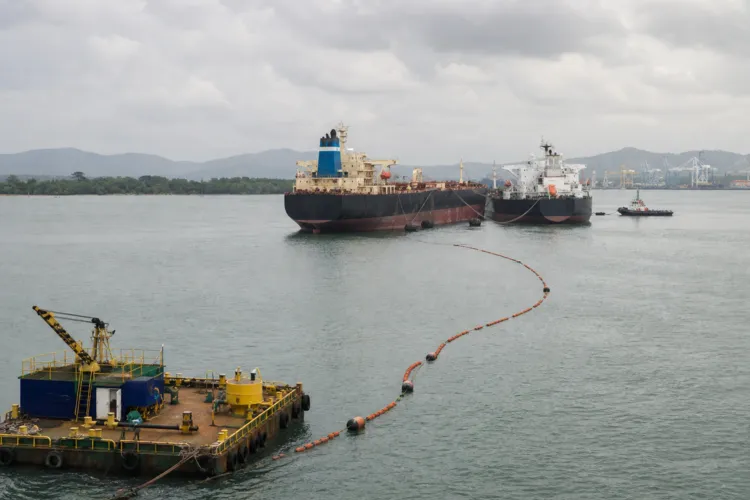
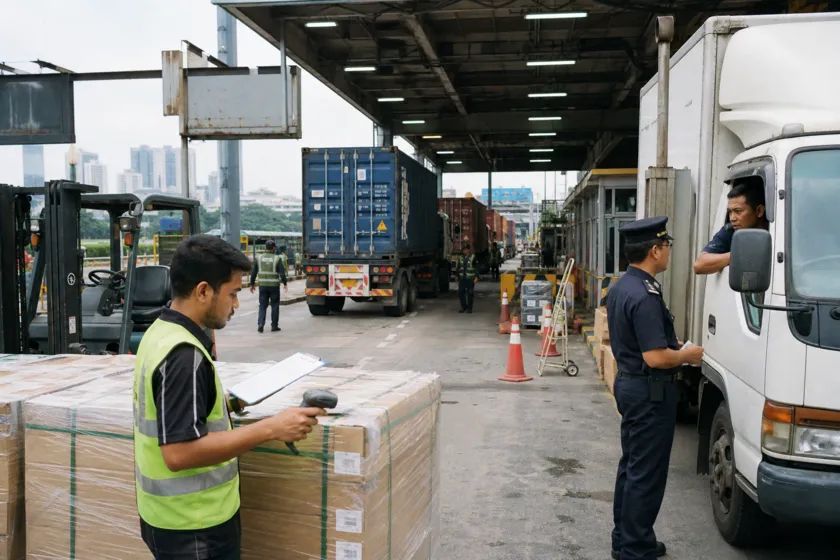
The Johor-Singapore Special Economic Zone (JS-SEZ) agreement, signed in January 2025, is positioned as a bilateral framework to enhance cross-border mobility and connectivity for people and goods. It also aims to strengthen business ecosystems, increase talent mobility, and build a stronger investment hub across both sides of the border. For companies planning cross-border logistics between Malaysia and Singapore, the zone matters because it is designed around complementary roles. Singapore is presented as a global hub for manufacturing, technology, innovation, R&D, business and finance, and extensive connectivity. Johor is framed around resource availability in land and labour, plus a growing industrial base.
JS-SEZ builds on the earlier Iskandar Malaysia initiative, which launched in 2006 and includes over 100 industrial parks developed under a managed industrial park concept. Examples cited include i-Park @ Indahpura, i-Park @ Senai Airport City, i-TechValley, Tanjung Langsat Industrial Complex, Sedenak Tech Park, and Nusajaya Tech Park. Iskandar Malaysia reported total cumulative investment of RM413.1 billion, with 70% or RM291.4 billion realized as of August 2024. In 2024 alone, it recorded RM41.4 billion committed investments, an 11% increase compared to RM37.2 billion in 2023. This industrial base and investment pipeline provide immediate demand for warehousing, trucking, consolidation, and cross-border distribution.
Why the Singapore Node Matters for Regional Throughput
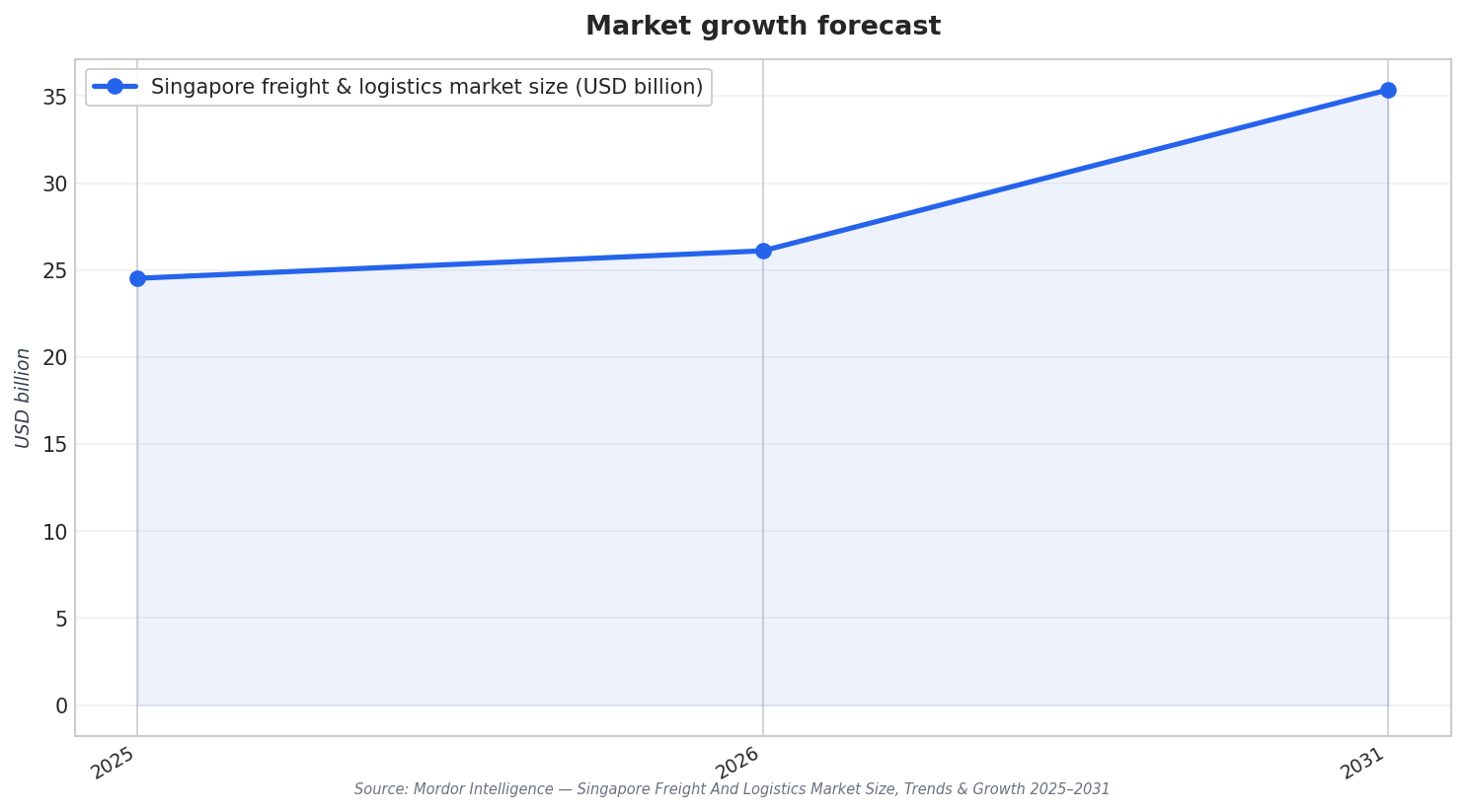
Singapore’s freight and logistics outlook provides the other half of the operating model. Mordor Intelligence projects the Singapore freight and logistics market at USD 24.53 billion in 2025 and USD 26.11 billion in 2026, reaching USD 35.37 billion by 2031, with a 6.26% CAGR from 2026 to 2031. Within that market, freight transport led with 61.26% share in 2025, and road accounted for 64.31% of freight transport revenue that year. Singapore’s container throughput expanded to 39.47 million TEU in 2024, and the Tuas Port mega-project began Phase 1 operations in September 2024, linked to automated capacity and improved schedule reliability. These specifics help explain why the Singapore side can anchor high-frequency international connectivity for shippers running cross-border flows.
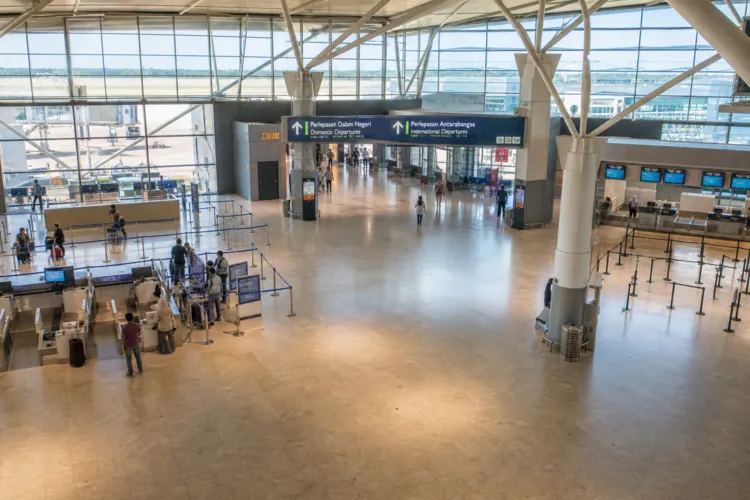
Company examples show how cross-border design can work in practice. UPS operates a regional hub at Changi Airport that consolidates packages from across the region, including Johor. The source notes 22 weekly flights into and out of Changi, and that all imports and exports from Johor are routed through Changi, supporting faster and more efficient access to markets in Asia, Europe, and the US. DHL highlights that businesses with Regional Distribution Centers (RDCs) and Global Distribution Centers (GDCs) in Johor can move goods across the border into Singapore duty-free, removing the traditional cash-flow burden of upfront tax payments. KN also observes Johor’s appeal for storage-heavy sectors, especially during seasonal peaks when warehousing demand can more than double.
For Cross-Border Logistics Malaysia Singapore strategies, the near-term signal is rising business interest and a broad sector scope. Singapore’s EDB reports more than 300 enquiries from businesses exploring JS-SEZ opportunities, with nearly 20 already committed from Singapore-based firms. At an October 2025 joint investment forum in Singapore that drew more than 700 attendees, both countries reiterated efforts to improve connectivity and smooth the flow of goods and people, alongside initiatives to develop talent. The JS-SEZ also lists target areas spanning logistics, manufacturing, digital economy, green economy, and more. The result is a clear invitation to build integrated operations: place scalable space-demanding functions in Johor, then connect them to Singapore’s port-and-air network for regional distribution.
How does the Johor-Singapore SEZ support cross-border logistics between Malaysia and Singapore?
What investment signals in Iskandar Malaysia suggest demand for logistics capacity?
Which Singapore logistics indicators matter for shippers building a Johor-Singapore network?
How are logistics firms using air connectivity to link Johor to global markets?
What early interest has been reported from businesses considering the JS-SEZ?