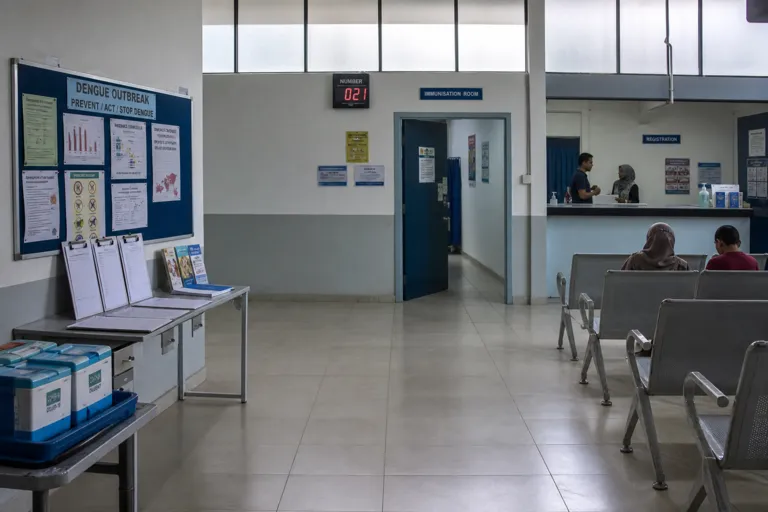
Malaysia’s dengue situation in 2026 is being described in stark terms. Reported infections surged 56.2% in 2026, reaching 58,079 cases and 55 deaths, with the highest increases seen in Perlis, Johor, Kuala Lumpur, and Selangor. Separately, by mid-August 2026, Malaysia recorded over 61,000 infections nationwide, a 60.8% increase compared to the same period in the previous year, with 58 fatalities. These figures frame dengue as a rising cost to public health systems and to households, especially when outbreaks concentrate in major population centres and demand intensified prevention measures.
Even as case counts rise, dengue vaccine uptake is reported to lag. Stakeholders cited the out-of-pocket price as a key barrier: a two-dose regimen may cost RM420 to RM500, and checks across private facilities found two doses can cost up to RM480. Limitations for certain groups are also part of the access picture. The vaccine was described as not given to pregnant women, breastfeeding mothers, and immunocompromised patients, and as intended for those aged four to 60 years. The Health Ministry said in 2025 that it had no immediate plans to include the vaccine in the National Immunisation Programme, reinforcing a near-term reality where private provision and patient-paid access shape demand.
Public Readiness Is Real, but Information Gaps Still Drive Hesitancy
Survey evidence suggests the market ceiling could be higher than today’s reported take-up. In Malaysia-specific data collected between September and October 2022 from 400 adults aged 18–60, 41% expressed high willingness to receive a dengue vaccine, measured before TAK-003 (Qdenga) became available in Malaysia. At the same time, misconceptions persisted, including misunderstandings about reinfection risks, the availability of a cure, and vaccine safety. Barriers included concerns about side effects and insufficient information. Notably, healthcare professionals were widely trusted sources of dengue information, but that trust did not automatically translate into higher acceptance, pointing to a need for clearer, more actionable clinical conversations.
Policy movement is also building alongside outbreak pressure. Malaysia’s Ministry of Health is reviewing a dengue vaccine for potential inclusion in the National Immunisation Programme, with the final decision tied to cost and programme logistics. The vaccine was described as cleared and registered by the National Pharmaceutical Regulatory Agency and available through private healthcare providers while evaluation continues. During this period, operational responses are expanding: the ministry activated a dedicated dengue operations centre and dispatched teams to high-risk areas in Kuala Lumpur and Selangor. It also scaled up the deployment of Wolbachia-infected mosquitoes, while emphasizing cross-sector collaboration to eliminate breeding sites.
For businesses and providers, the market opportunity sits at the intersection of price, education, and delivery channels. The same 2022 survey found 40% of Malaysian respondents supported a multi-pronged dengue prevention strategy combining vaccination, education, and vector control, which aligns with calls for coordinated messaging led by the Ministry of Health through a multi-stakeholder task force. Stakeholders also argued that acceptance improves when people understand risks and when doctors recommend the jab. In parallel, broader health-system access conditions may support adjacent services: a market report notes that government-funded universal health coverage schemes in Thailand and Malaysia ensure broad access to testing, reducing financial barriers for patients, which can help sustain awareness and engagement during surges that also influence vaccine interest.
What is driving Malaysia’s dengue surge in 2026?
How much does dengue vaccination cost in Malaysia’s private market?
Who is not eligible for the dengue vaccine as described by stakeholders?
What did the 2022 survey suggest about willingness to get a Malaysia dengue vaccine?
Is Malaysia considering a public rollout through the National Immunisation Programme?