Malaysia’s autonomous-vehicle story is shifting from discussion to controlled action. Government signals are becoming clearer, with a stated national aim to reach Level 3 autonomous driving capability by 2030. As defined by SAE International, Level 3 means the vehicle can drive itself in specific conditions, but the driver must remain alert and ready to take over when needed. Officials have also framed past programmes as largely pilot, on-road evaluation efforts, which sets expectations that the next stage must focus on readiness rather than demonstrations alone.
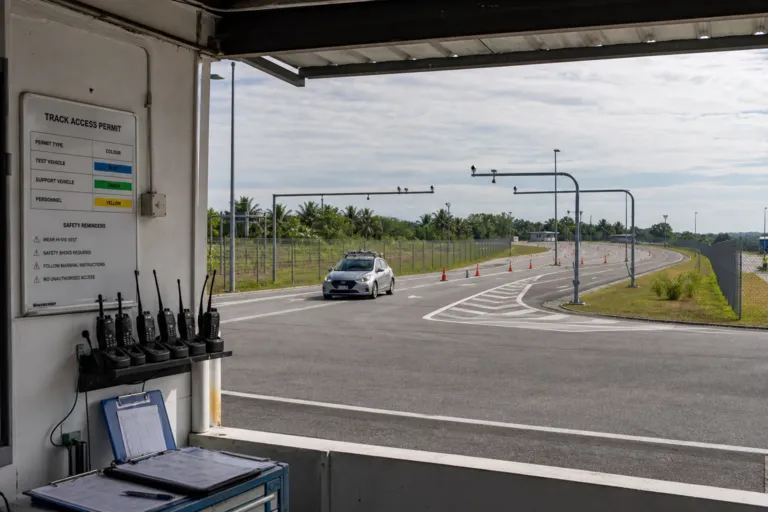
A major inflection point arrived on June 30, when Zelos and its Malaysia-based partner Autonomous Logistics Solution (ALS) received the country’s first public-road testing permit dedicated to Level 4 autonomous logistics vehicles. The approval was granted by Malaysia’s Ministry of Transport under the National Autonomous Vehicle Regulatory Sandbox. Over the next three to six months, the companies plan regular public-road testing in Cyberjaya, operating autonomous delivery vehicles in real urban traffic conditions. The permit also enables national firsts including a Remote Operations Center (ROC) for centralized fleet monitoring and remote intervention capabilities.
Regulation, Operations, and the Building Blocks for Scale
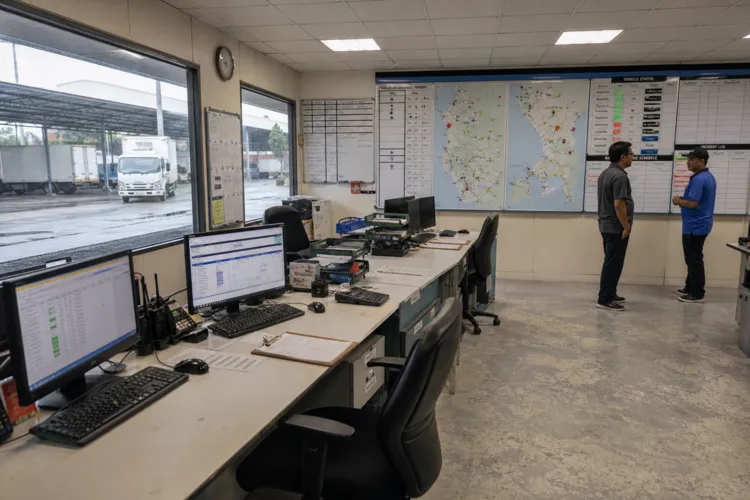
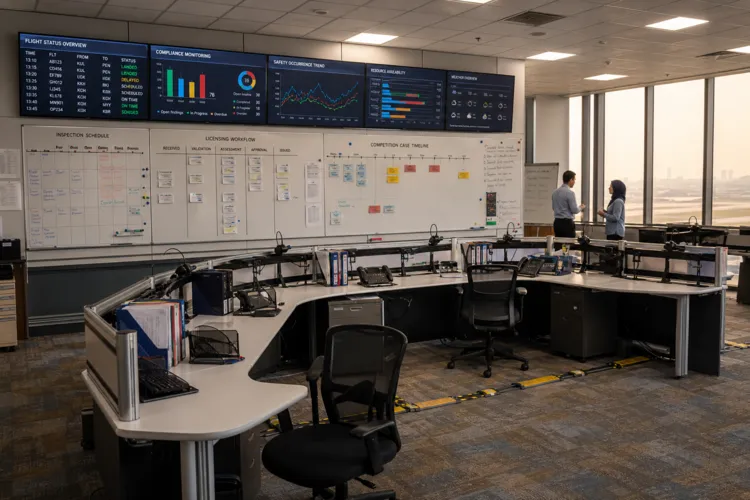
The Cyberjaya trials highlight what commercialization requires: governance, operational controls, and repeatable safety processes. Zelos describes the permit as a reflection of regulatory confidence in safety systems, operational capabilities, and close collaboration with Malaysian authorities, rather than routine administration. The ROC is positioned as a practical scaling tool, with round-the-clock monitoring, real-time visibility into vehicle operations, and trained operators who can intervene remotely when unexpected situations arise. In practice, that operational layer can bridge the gap between controlled pilots and consistent, multi-vehicle deployments on designated routes.
Outside on-road autonomy, Malaysia is already investing in automated mobility inside industrial environments, which can help supply chains and local capabilities mature. The Malaysia Automated Guided Vehicle (AGV) market was valued at USD 27.5 million in 2025 and is projected to reach USD 33.3 million by 2030, representing a 5.8% CAGR. The same report links demand to semiconductor and electronics manufacturing, with adoption for wafer handling, material transport, and cleanroom logistics operations. These deployments are not driverless cars, but they reinforce local experience with safety, routing, and fleet operations.
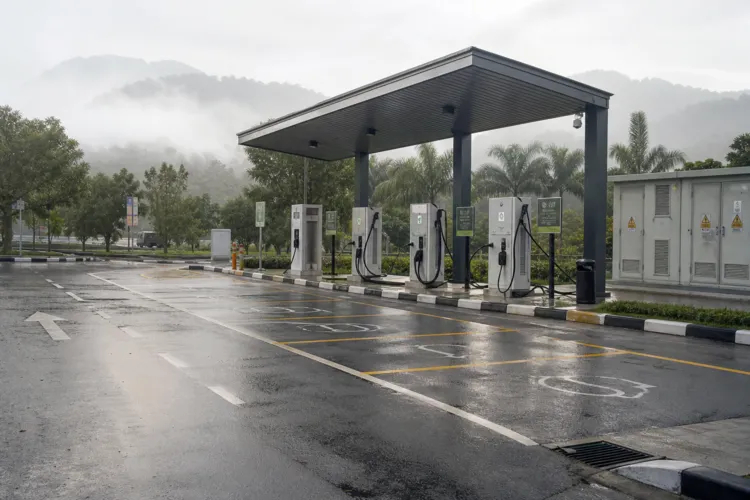
Commercial rollout for Malaysia autonomous vehicles will also depend on enabling ecosystems like electrification and vehicle connectivity. In Malaysia, the electric vehicle market size was valued at USD 15.54 million in 2021, with total revenue expected to grow at 12.46% through 2022 to 2029, reaching nearly USD 39.76 million by 2029. Policy direction is cited through the National Transport Policy and a National Green Technology policy, while the sector still faces limited charging options and low buyer knowledge. On connectivity, a separate connected-car analysis notes that JPJ has not extended UN R155 or UN R156 type-approval compliance across domestic completely knocked-down production lines, which can affect how quickly factory-fitted telematics becomes mandatory on national-brand models.
What is Malaysia’s target timeline for higher automated driving capability?
Where will the first Level 4 autonomous logistics public-road tests take place?
What role does the National Autonomous Vehicle Regulatory Sandbox play?
How does Malaysia’s AGV market relate to the road to autonomy?
What’s the current direction for Malaysia autonomous vehicles commercialization?