The Malaysia Pharmaceutical Market is increasingly defined by how quickly stakeholders can balance affordability, access, and compliance. A structured market study framework described by IndexBox positions drugs and pharmaceuticals as finished, regulated products for human or animal therapeutic use, including prescription drugs, biologics, and specialty therapeutics, aligned to health authority approvals. The same source frames analysis through modeled demand, evidenced supply, technology mapping, regulatory context, pricing logic, and country capability analysis, with historical coverage typically spanning 2012 to 2025 and forward-looking scenarios through 2035. For decision-makers, that matters because it pushes strategy beyond a single product code and into workflows, buyer environments, and supply capability.
Policy signals for generics are explicit. Ken Research notes government initiatives such as the National Medicines Policy and a goal to raise the generic market share to 60%, up from 50%. The same source also states incentives for local manufacturers are expected to produce over 1,200 generic products, aiming to improve availability and affordability. At the market level, Ken Research adds a competitive tension: branded pharmaceuticals are expected to account for approximately RM 16 billion of a total RM 33 billion pharmaceutical market. That split underscores why generic producers must differentiate and build trust while meeting procurement requirements, especially where public-sector channels shape volume.
Specialty Injectables and the Shift Toward More Complex Portfolios
Within injectables, Ken Research describes a segmentation by molecule type that includes small-molecule injectables, biosimilar injectables, complex injectables (liposomal, depot, long-acting), and cytotoxic or hazardous injectables. It states small-molecule injectables dominate due to widespread use and established manufacturing processes, while demand for biosimilars is notable as cost-effective alternatives to expensive biologics in oncology, autoimmune, and endocrine indications. By therapeutic area, Ken Research highlights oncology injectables as leading in value terms and ties hospital use to anti-infectives and chronic disease management, with hospital pharmacies and public-sector procurement playing a central role.
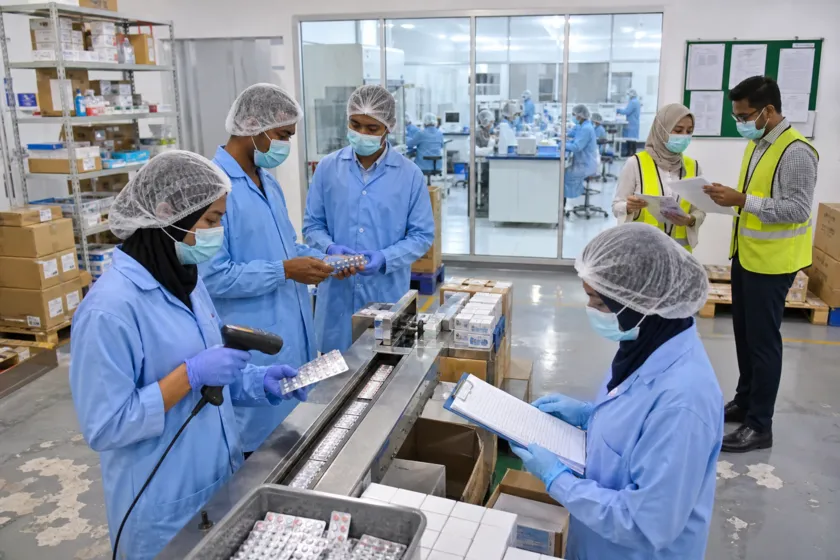
Local manufacturing is also being framed as a growth lever in both policy and partnerships. PharmExec reports that the Economic Transformation Program (ETP), launched in October 2010, positioned healthcare and pharmaceuticals among 12 National Key Economic Areas and lists six Entry Point Projects, including generics manufacturing. PharmExec also states the government was targeting 22% year-on-year growth in the Malaysian pharma industry to contribute US$ 5.4 billion to GDP by 2020. In the same discussion, stronger manufacturing credibility is linked to opportunities for multinationals contracting out production to local companies, supported by Malaysia’s GMP regulations based on PIC/S membership.
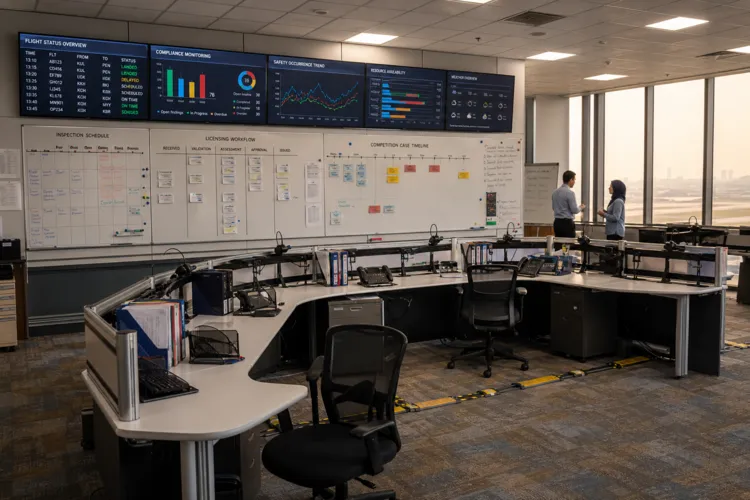
Company activity further illustrates how the market is organized around capability and compliance. Ken Research lists a mix of regional and international players in specialty injectable generics, including Pharmaniaga Berhad, Duopharma Biotech Berhad, Hovid Berhad, Kotra Pharma (M) Sdn Bhd, Apex Healthcare Berhad, Y.S.P. Southeast Asia Holding Berhad, Viatris Inc., Sandoz AG, Fresenius Kabi AG, Pfizer Inc., Merck & Co., Inc., Teva Pharmaceutical Industries Ltd., B. Braun Melsungen AG, and Hikma Pharmaceuticals PLC. PharmExec adds examples of partnerships such as Sanofi-Aventis and Hovid Bhd, and notes Pharmaniaga produces 200 products for international companies seeking entry into Malaysia. Looking ahead, Ken Research expects the National Pharmaceutical Regulatory Agency (NPRA) to implement stricter compliance measures, including enhanced documentation and quality assurance processes, which may delay approvals and increase operating costs for generic manufacturers.
What policy target is Malaysia setting for generic medicines?
How large is the branded segment expected to be within Malaysia’s pharmaceutical market?
Which segments are included in specialty injectable generics in Malaysia?
What is shaping local manufacturing opportunities in the Malaysia Pharmaceutical Market?
What regulatory change could affect generic manufacturers in Malaysia?