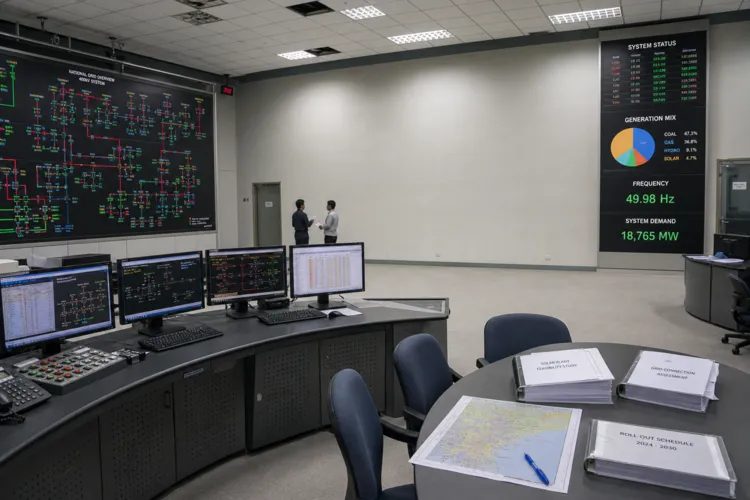
Malaysia’s push for national AI infrastructure took a clear step forward when Prime Minister and Finance Minister Anwar Ibrahim announced a RM2 billion allocation to establish a sovereign AI cloud through the Malaysian Communications and Multimedia Commission (MCMC). The idea is grounded in sovereignty: a secure, government-controlled digital infrastructure that keeps national data and computing power within Malaysia’s borders. Government communications describe it as foundational for secure, sovereign AI infrastructure, protecting national data while enabling innovation and large-scale AI applications. The policy direction also connects to Malaysia’s earlier stated aim of becoming a regional cloud and digital hub by 2030, positioning sovereign capacity as a strategic building block rather than a standalone technology project.
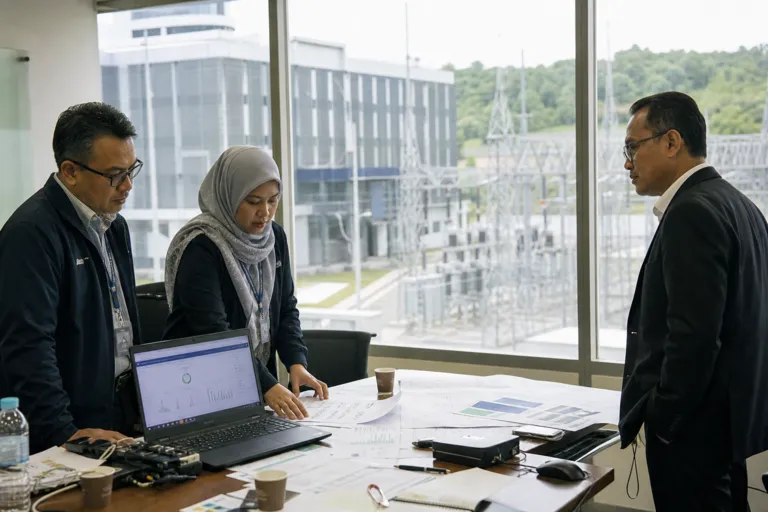
Alongside the cloud buildout, the budget-linked package includes related institutions and programs designed to make the infrastructure usable. MCMC is set to establish an AI Transformation Centre with Universiti Multimedia and the Centre of Excellence in Ethics for Emerging Technologies, described as a “culturally sensitive R&D and AI centre.” Funding for national coordination was also highlighted. One report said the National AI Office (NAIO) would receive nearly RM20 million to develop skilled talent, strengthen digital infrastructure, and create an efficient AI ecosystem, while a government release specified a RM18.1 million allocation for NAIO to support its role in shaping AI strategies and policies and fostering collaboration across ministries, agencies, and the private sector. Together, these measures frame the Malaysia Sovereign AI Cloud effort as both infrastructure and ecosystem.
Why Sovereign AI Infrastructure Is Rising Now
Globally, sovereign AI infrastructure is being framed as an ecosystem of hardware, data centers, networking systems, and sovereign cloud platforms that allow AI development and deployment within a country’s jurisdiction while maintaining national control over data, compute resources, and governance. A market analysis valued the sovereign AI infrastructure market at USD 61.40 billion in 2025 and expected it to reach USD 78.61 billion by the end of 2026, with a projection of USD 726.58 billion by 2035 and a 28.03% CAGR from 2026 to 2035. The same analysis cited OECD figures that, in 2025, AI companies captured about 61% of global venture capital—USD 258.7 billion out of USD 427.1 billion total VC funding—adding context to why governments are prioritising secure compute and data environments.
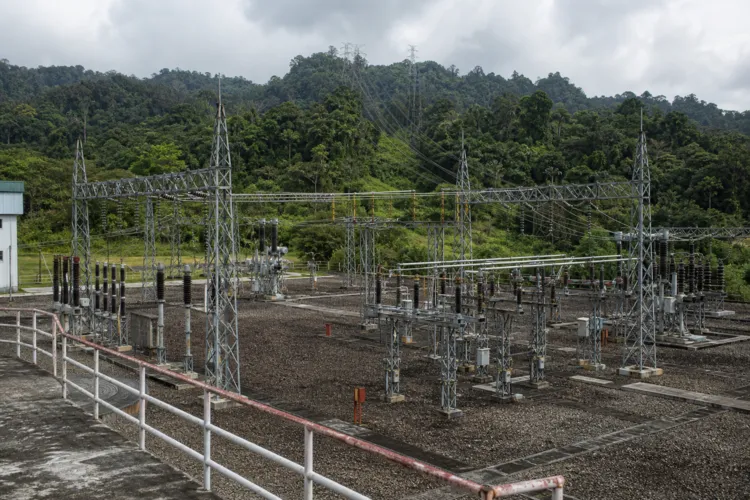
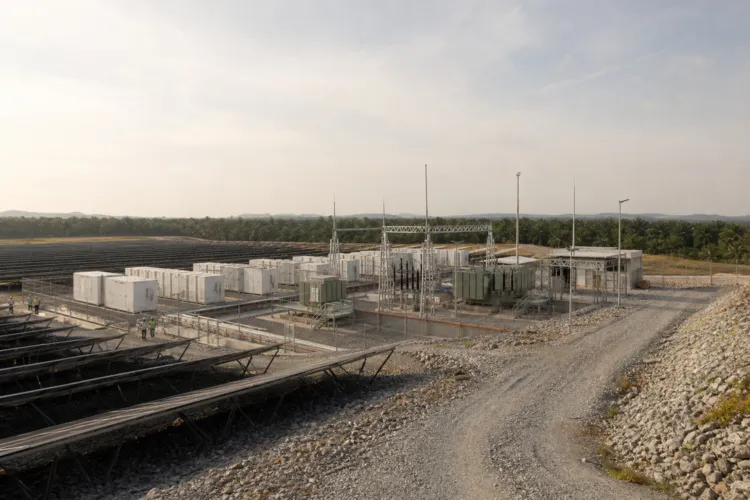
Malaysia’s sovereign cloud ambition also lands in a moment when the country is grappling with the physical realities of AI-scale compute. A local analysis noted that Malaysia spent the last two years becoming one of Southeast Asia’s fastest growing data center markets, with capacity jumping from around 10 MW in 2021 to roughly 1.3 GW by 2024. It also reported that data centers reached about 3% of Malaysia’s total electricity demand in the first nine months of 2025, three times the share a year earlier. Policy tightening has followed. Anwar told parliament that applications for data centers unrelated to AI or advanced technology had already been stopped, and in Johor a state committee set up in 2024 rejected about 30% of applications for failing sustainability checks, according to Data Center Dynamics.
Energy and water constraints are not abstract in the Malaysian debate. One estimate said Johor’s facilities could draw 40% of the state’s electricity by 2035, and EY put national data center demand at 5 to 6 GW by 2035, described as close to a fifth of Peninsular Malaysia’s current capacity. The same report noted public concern about household costs, citing a regulated base tariff that has climbed to 45.62 sen per kWh for the period running to the end of 2026. Against this backdrop, the sovereign AI cloud plan can be read as an attempt to prioritize the projects Malaysia wants—secure, nationally governed AI capability—while aligning approvals and infrastructure around sustainability and national resilience.
What was announced for Malaysia’s sovereign AI cloud in Budget 2026?
How is MCMC supporting adoption beyond the cloud build itself?
How much funding was allocated to the National AI Office (NAIO)?
What do recent figures show about Malaysia’s data center growth and power impact?
Why does a Malaysia Sovereign AI Cloud matter for national resilience and control?