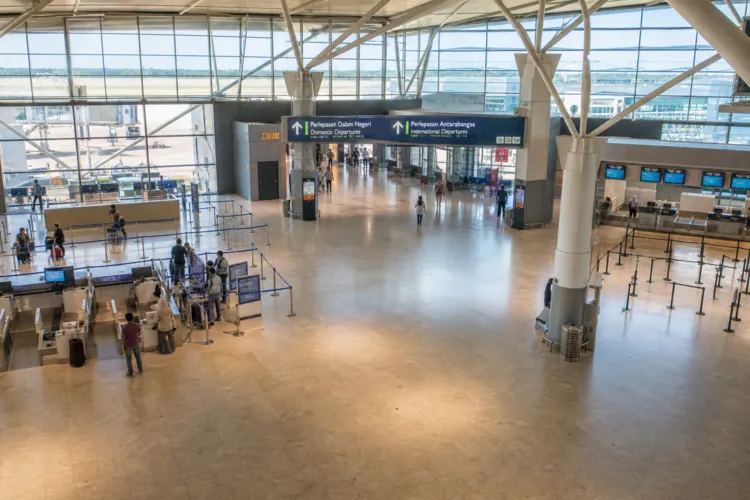
Malaysia’s tourism recovery is no longer a tentative bounce-back. Official statistics cited in reporting put 2024 visitor arrivals at 38 million, up 31.1% versus 2023 and 8.3% above pre-pandemic levels. That scale matters because it reframes tourism as a growth engine, not just a services add-on. It also builds the runway for the national campaign and the broader idea of a tourism-led rebound with knock-on effects for spending, jobs, and business formation across food, transport, retail, and accommodation.
Momentum carried into the following year. At the launch of the national push, arrivals in the first eleven months of 2025 were reported at 38.3 million, suggesting demand was holding at high levels ahead of 2026. Policy messaging has tied the campaign to a strategic and marketing plan for 2022–2026, built around six pillars that include boosting domestic tourism, building partnerships, strengthening promotion, optimizing strategic communications, implementing travel bubbles, and driving strategic transformation. In that framing, tourism is treated as a long-term economic driver rather than a single-season boost.
Visit Malaysia 2026: Targets, Events, and Policy Levers
The Visit Malaysia 2026 campaign was officially launched on 1 January 2026, and it is built around ambitious targets. One set of reporting states an aim to attract up to 43 million tourists and generate RM329 billion (about USD 83 billion) in revenue, with a potential contribution of 15% of GDP. Another set of figures frames 2026 goals as 35.6 million tourists and RM147.1 billion revenue. The program is also event-led, with more than 300 cultural events planned to showcase diversity and traditions, while presenting the campaign as aligned to sustainable development goals.
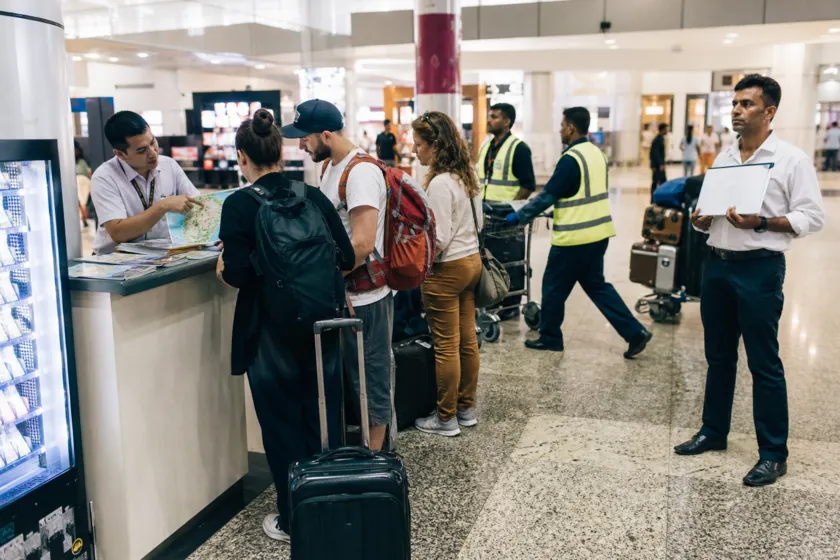
The economic ripple is most visible when you track where money lands and who benefits. A 2026 data summary highlights RM92.7 billion spent at home and RM71.3 billion from abroad, and describes tourism as supporting 3.4 million jobs and forming a 12.8% GDP cornerstone. Another report states tourism supported 22% of jobs in 2024, reinforcing how employment effects can extend well beyond hotels. On the demand side, the same data summary notes international visitors staying over 8 nights and spending patterns led by shopping, which accounted for 33.9% of their spend.
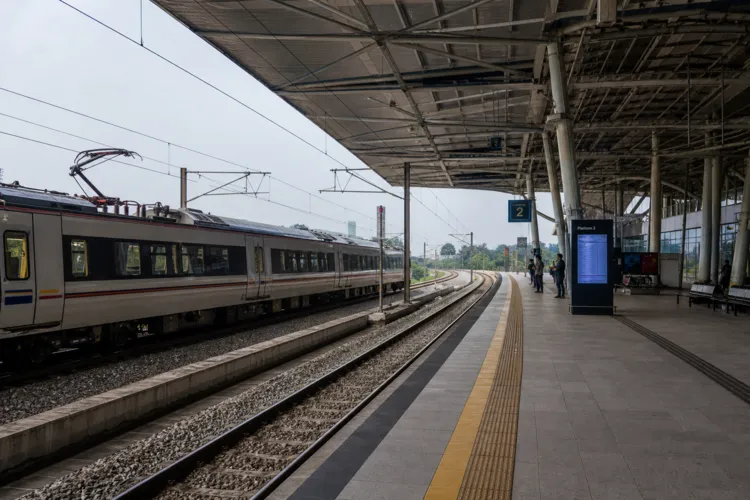
Hospitality and connectivity investments are positioned as amplifiers of this rebound. A market outlook sizes Malaysia’s hospitality industry at USD 53.11 billion in 2026, rising from USD 49.28 billion in 2025, and projects growth to USD 77.20 billion by 2031 at a 7.76% CAGR. The same outlook connects growth expectations to tourism promotion and transport upgrades, including major links such as the ECRL and the RTS Link, and highlights key hubs like Kuala Lumpur, Penang, Johor Bahru, and Kota Kinabalu. In practical terms, this is where Visit Malaysia 2026 tourism ambitions meet capacity, access, and the ability to spread demand beyond core hotspots.
How strong was Malaysia’s tourism rebound in 2024?
What visitor level was reported ahead of the 2026 campaign?
What are the main targets discussed for Visit Malaysia 2026 tourism plans?
How does tourism spending connect to the broader economy in Malaysia?
What does the hospitality outlook suggest for 2026 and beyond?