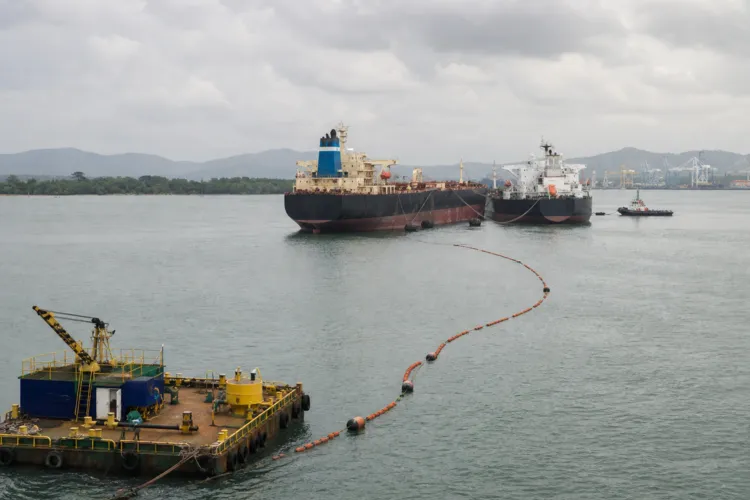
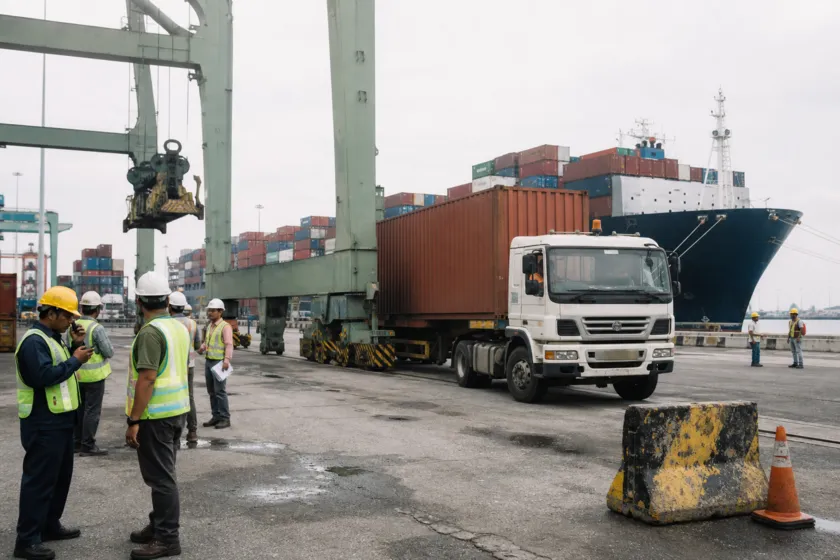
Port Klang has officially entered the world’s top tier of container ports, ranking 10th in the Lloyds List of the World’s Top 100 Ports 2025 after handling 14.64 million TEUs in 2024. For Malaysia, this is more than a league-table moment. The ranking reinforces Port Klang’s position as a strategic transshipment hub and gateway to global trade, linking ASEAN, China, and wider trade lanes. It also sets a new reference point for how shippers, carriers, and investors assess Malaysia’s logistics reliability, capacity headroom, and end-to-end trade facilitation.
The story behind Port Klang container traffic growth is tied to both trade fundamentals and operational change. One account attributes the growth to an 8.9% increase in import and export activities, even amid global challenges such as the Red Sea crisis. In parallel, Port Klang Authority leadership cites strong policy support, operational efficiency, infrastructure development, and sustainable port practices as key contributors. Digitalisation also features prominently, including initiatives such as the Malaysia Maritime Single Window and the adoption of smart port technologies, aimed at making port processes faster and more predictable for cargo owners.
From Ranking to Real Economy: Trade, Investment, and Logistics Demand
Port Klang’s rise is also being read as a signal for broader Malaysian trade momentum. In the first nine months of 2025, Malaysia’s exports grew 4.8% year on year to RM1.17 trillion, while imports rose 4% year on year to RM1.06 trillion. That produced a trade surplus of RM105.65 billion, up 13.6% year on year. These national figures do not describe Port Klang alone, but they explain why a top-10 container hub matters: stronger trade flows create sustained demand for sea-freight allocations, cross-border forwarding, and value-added distribution, especially as supply chains look for resilient routing options.
The capacity pipeline points to an attempt to keep pace with demand and protect schedule reliability. The Westports 2 Project is described as a long-term development that will more than double handling capacity to 27 million TEUs by 2054 from 14 million TEUs. Port Klang is also charting the Carey Island Third Port Development, designed to handle up to 30 million TEUs annually, with a Maritime and Industrial Free Trade Zone positioned as a catalyst for industrial growth and international investment. At the same time, one market report notes vessel waiting times averaging 1.3–1.46 days, showing why berth, quay, and process improvements remain central to competitiveness.
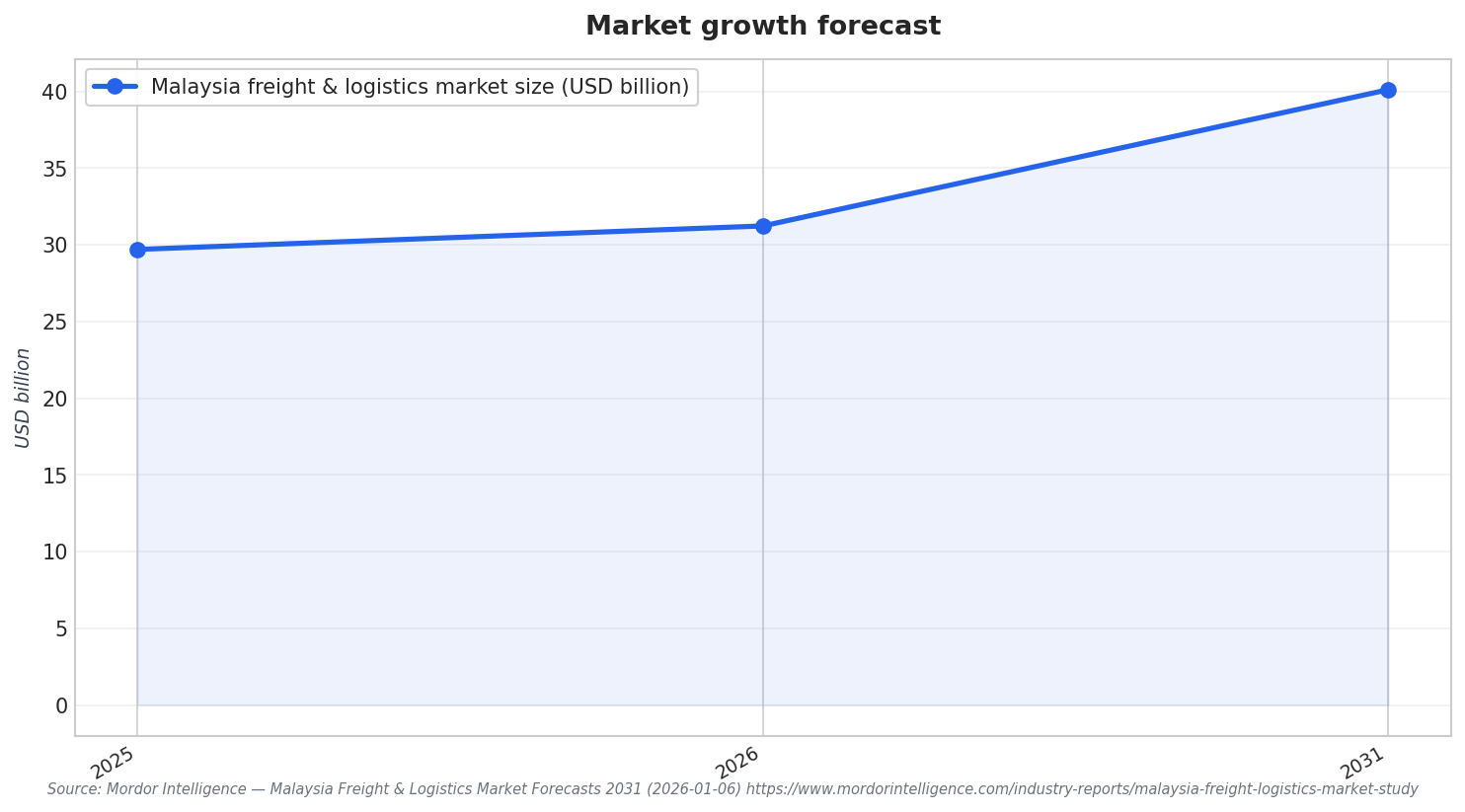
For the logistics industry, the top-10 milestone is unfolding alongside measurable market expansion. Mordor Intelligence projects the Malaysia freight and logistics market to grow from USD 29.70 billion in 2025 to USD 31.23 billion in 2026, reaching USD 40.11 billion by 2031 at a 5.14% CAGR over 2026–2031. The same analysis links Port Klang’s top-10 emergence with government funding for rail and highway projects and sustained e-commerce momentum, reshaping supply-chain networks, warehouse automation priorities, and carrier partnerships. It also highlights record foreign direct investment approvals of MYR 378.5 billion (USD 82.3 billion) in 2024, creating 207,000 jobs, which expands demand for specialized manufacturing logistics and cross-border services.
Why does Port Klang’s top-10 ranking matter for Malaysian trade?
What figures show recent Port Klang container traffic growth drivers?
How do Malaysia’s trade numbers connect to port and logistics demand?
What expansion plans are cited for Port Klang’s future capacity?
What operational challenge is still noted for Port Klang despite investment?